

2014 Atlantic Hurricane Season
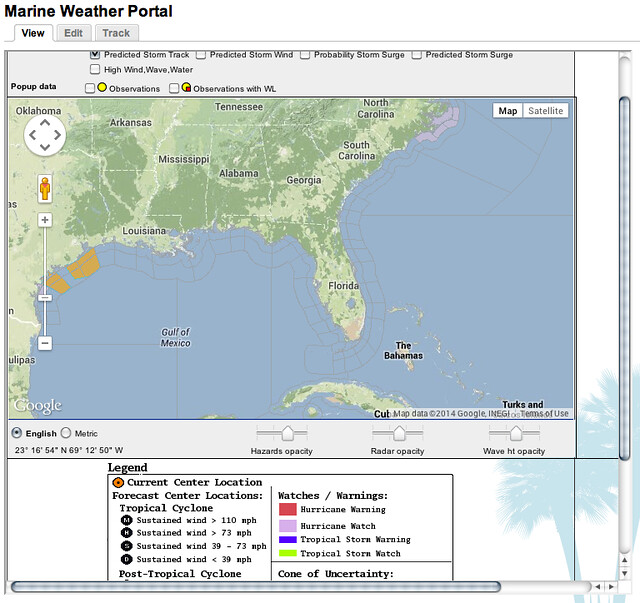
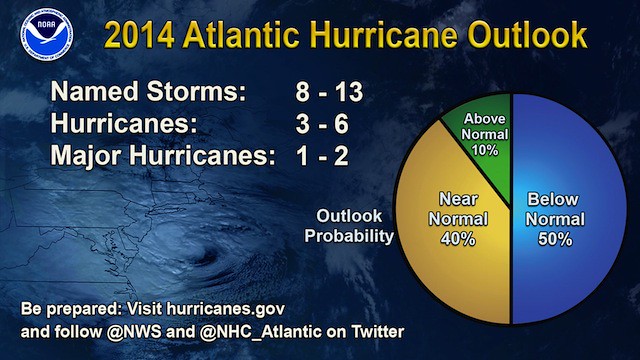 Image Credit: NOAA National Oceanic and Atmospheric Administration (NOAA) recently released its 2014 Atlantic Hurricane season outlook and it is calling for a 50 percent chance of a below-normal season, a 40 percent chance of a near-normal season, and only a 10 percent chance of an above-normal season. NOAA’s predictions are based on the anticipated El Nino development this summer.1 Although it is predicted that the Atlantic coast will experience near-normal or below-normal hurricane season, it is best to be prepared for any category hurricane. June 1st is the official start of hurricane season and the National Weather Service (NWS) National Hurricane Center offers a plethora of resources to ensure your safety. SECOORA has a Marine Weather Portal for you to follow the predicted storm track when there is a watch/warning in effect. |
 |
Follow us on Twitter (@SECOORA) for real-time updates on storm development in the Southeast.
------------------------- 1http://www.noaanews.noaa.gov/stories2014/20140522_hurricaneoutlook_atlantic.html |
|
Image Credit: NOAA
National Oceanic and Atmospheric Administration (NOAA) recently released its 2014 Atlantic Hurricane season outlook and it is calling for a 50 percent chance of a below-normal season, a 40 percent chance of a near-normal season, and only a 10 percent chance of an above-normal season. NOAA’s predictions are based on the anticipated El Nino development this summer.1
Although it is predicted that the Atlantic coast will experience near-normal or below-normal hurricane season, it is best to be prepared for any category hurricane. June 1st is the official start of hurricane season and the National Weather Service (NWS) National Hurricane Center offers a plethora of resources to ensure your safety. SECOORA has a Marine Weather Portal for you to follow the predicted storm track when there is a watch/warning in effect.
|
|
|
Follow us on Twitter (@SECOORA) for real-time updates on storm development in the Southeast.
————————- 1http://www.noaanews.noaa.gov/stories2014/20140522_hurricaneoutlook_atlantic.html |
Related news
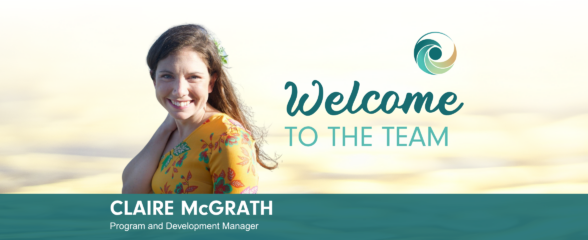
Claire McGrath Joins SECOORA as Program and Development Manager
SECOORA welcomes Claire McGrath as Program and Development Manager, supporting the Southeast & Caribbean Coastal Disaster Resilience Partnership and membership growth.

Spotlight: Mobilizing to Save Florida’s Coral Reefs
Learn how scientists are racing to save Florida's Coral Reef through coral rescue, gene banking, reef restoration, and innovative conservation efforts after disease and marine heatwaves devastated one of America's most important marine ecosystems.
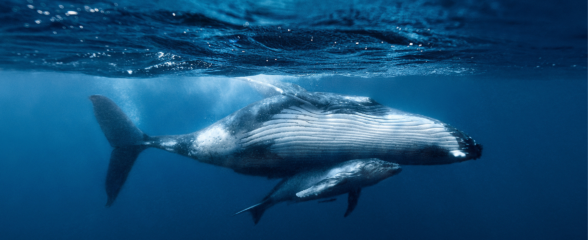
From a Whale’s Song to an Ocean’s Symphony: How AI Decodes Underwater Sound
Explore how SECOORA-funded research is using AI and machine learning to decode ocean soundscapes, detect boat noise, and support coral reef restoration efforts.