

SECOORA Webinar on the Rapid Intensification of Hurricane Ian: Warm Subsurface Water on the Wide Continental Shelf
Join us Thursday, April 24th at 12 PM ET for the April installment of the SECOORA Coastal Observing in Your Community Webinar Series! This month, we will hear from Dr. Yonggang Liu from the University of South Florida. He will discuss his research on the rapid intensification of Hurricane Ian in relation to anomalously warm subsurface water on the wide continental shelf.
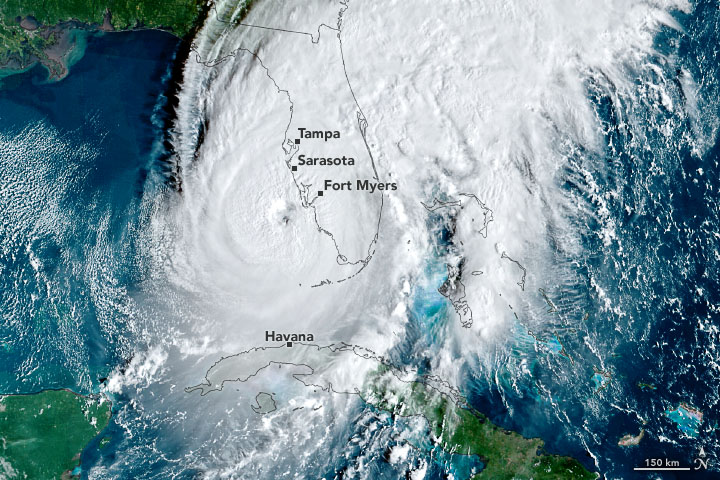
SECOORA’s Coastal Observing in Your Community Webinar series continues this month with a presentation of new, ground-breaking research. On April 24th at 12 PM ET, Dr. Yonggang Liu, University of South Florida, will provide an overview of his research on the rapid intensification of Hurricane Ian in relation to warm subsurface water temperatures. Hurricane Ian caused catastrophic damage in 2022, making landfall in Southwest Florida.
Webinar Abstract
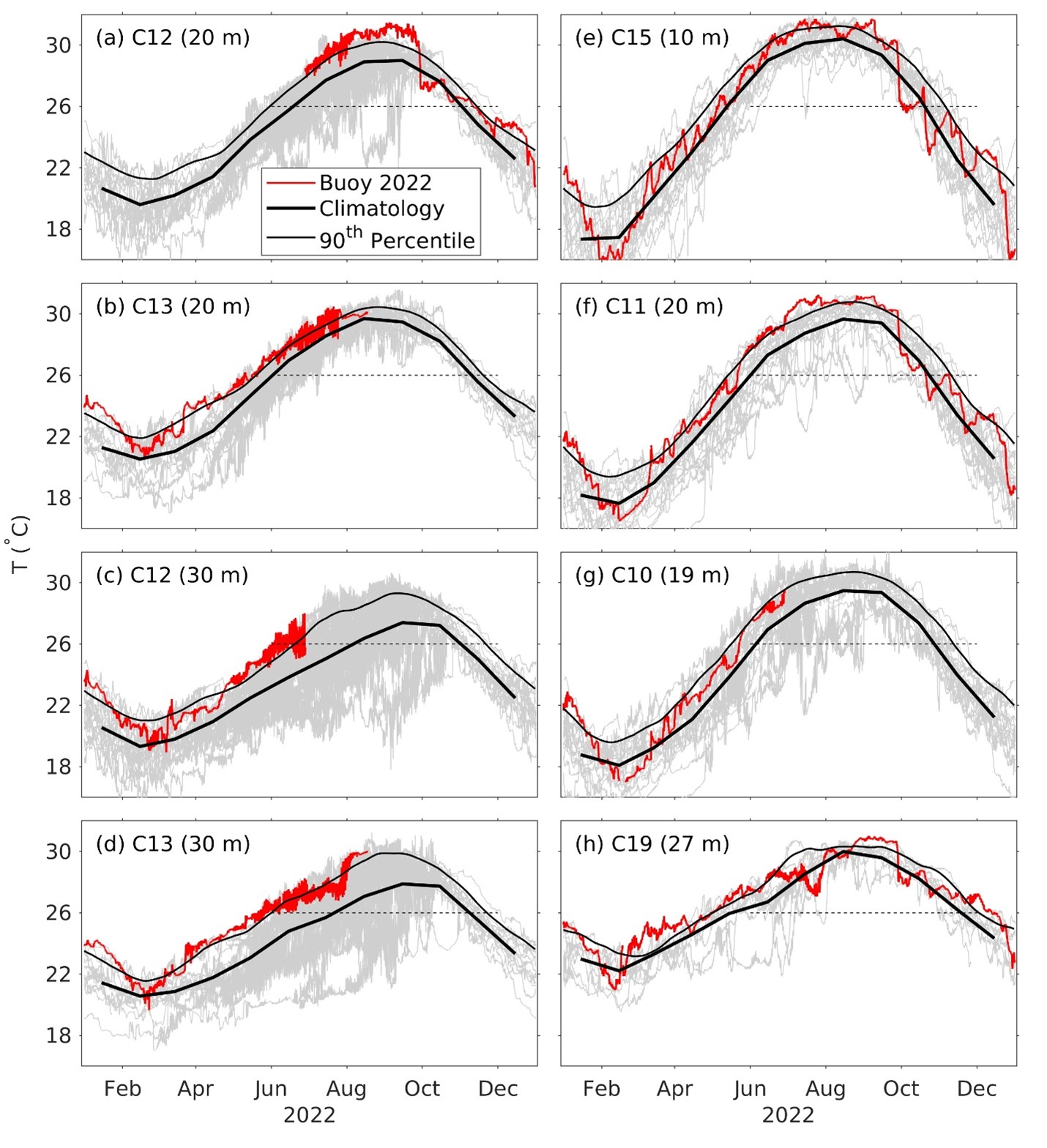
Hurricane Ian rapidly intensified from Category 3 to 5 as it transited the wide West Florida Shelf (WFS). This is ascribed to heating by the anomalously warm shelf waters, despite the water depth being shallow when compared to the thicker, mixed layer areas of the deeper ocean. By examining temperature from long-term moorings, we found that the sea surface and subsurface temperatures exceeded the climatologies by 1–2°C and 2–3°C, respectively. Additionally, these anomalously high temperatures in summer/fall of 2022 were related to the absence of Gulf of America Loop Current interactions with the WFS slope at its “pressure point”. Without such offshore forcing to induce an upwelling circulation, the warmer waters on the shelf were not flushed and replaced by colder waters of deeper ocean origin. This work highlights the importance of subsurface temperature and ocean circulation monitoring on shallow continental shelves, which are largely overlooked in hurricane-related ocean heat content observational programs.
Key Figure
Recent Publication
Liu, Y., Weisberg, R.H., Sorinas, L., Law, J.A., Nickerson, A.K. (2025), Rapid intensification of Hurricane Ian in relation to anomalously warm subsurface water on the wide continental shelf, Geophysical Research Letters, 52, e2024GL113192, https://doi.org/10.1029/2024GL113192
About the Speaker
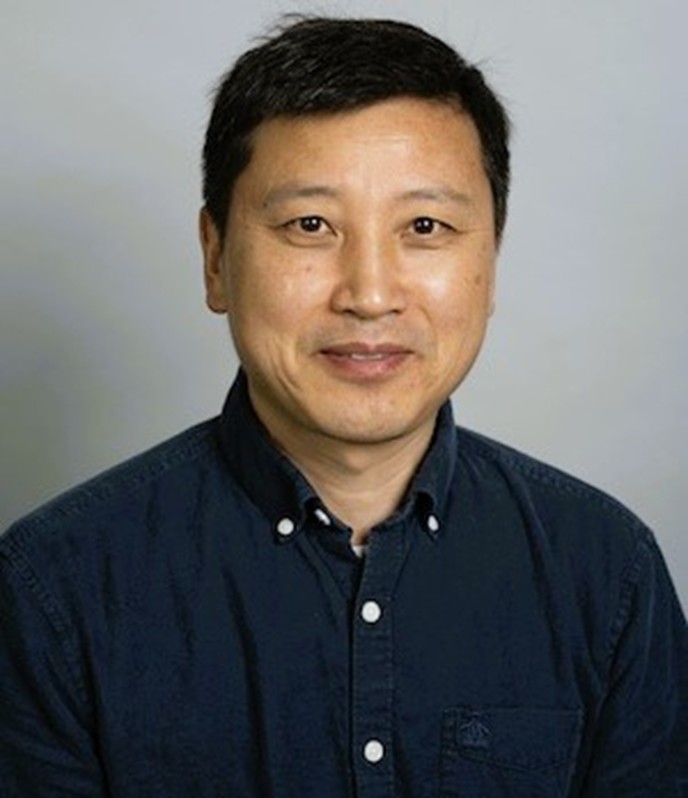
Dr. Yonggang Liu is an Associate Professor and the Director of the Ocean Circulation Lab at University of South Florida’s College of Marine Science. As a physical oceanographer, he aims to better understand the coastal ocean circulation and air-sea interactions on the West Florida Shelf, including the exchanges of water properties between the estuaries, the shelf, and the offshore (Loop Current) system of the Gulf of America. His research team maintains a coordinated coastal ocean observing and modeling program focusing on the West Florida Shelf and the estuaries. He is interested in applying the scientific research to marine environmental issues of societal importance, such as Karenia brevis red tide tracking and seasonal prediction, hurricane rapid intensification, storm surge and coastal inundation forecasts, Sargassum tracking, wastewater plume modeling, and oil spill tracking.
Related news

Investing in People and Communities Across the Southeast
SECOORA begins its 4th five-year award from U.S. IOOS to continue coastal and ocean monitoring across the Southeast.
Meet the Scientist Helping Answer: Are Our Marshes Gaining Elevation?
Meet Ches Vervaeke, the scientist bringing 20+ years of Surface Elevation Table expertise to SECOORA's marsh elevation monitoring work in the Southeast.

Webinar | Powering Coastal Aquaculture: Demonstration of Paired Tidal Energy Harvesting and Water Quality Monitoring
Join us on October 20, 2026, at 11:00 AM ET to learn how a marine energy-powered sensor platform is helping North Carolina oyster farmers monitor water quality.