

UNCW CORMP Job Posting

The University of North Carolina Wilmington’s Coastal Ocean Research and Monitoring Program (CORMP) is hiring a Research Specialist. The mixed role position involves supervision, planning, coordination and participation in scientific research in the coastal ocean, including oceanographic mooring deployment and maintenance, research and analysis in a laboratory setting, at-sea oceanographic sampling and data collection, scientific SCUBA diving, data management, and all aspects of cruise planning and execution, as well as budget planning and execution for each of these activities. The incumbent functions both independently and as a member of a research team, frequently serving a lead role in supervising students and other technicians in the accomplishment of all phases of scientific research. The incumbent serves as lead scientist for oceanographic research cruises and provides research support to more than seven Principal Investigators conducting at least two simultaneous research projects involving multiple scientific protocols and complex techniques that cross all marine science disciplines, including Physics and Physical Oceanography, Biology, Chemistry and the Earth Sciences.
CORMP is primarily funded through SECOORA. The deadline to apply is February 17. Click here to see the job posting.
The University of North Carolina Wilmington’s Coastal Ocean Research and Monitoring Program (CORMP) is hiring a Research Specialist. The mixed role position involves supervision, planning, coordination and participation in scientific research in the coastal ocean, including oceanographic mooring deployment and maintenance, research and analysis in a laboratory setting, at-sea oceanographic sampling and data collection, scientific SCUBA diving, data management, and all aspects of cruise planning and execution, as well as budget planning and execution for each of these activities. The incumbent functions both independently and as a member of a research team, frequently serving a lead role in supervising students and other technicians in the accomplishment of all phases of scientific research. The incumbent serves as lead scientist for oceanographic research cruises and provides research support to more than seven Principal Investigators conducting at least two simultaneous research projects involving multiple scientific protocols and complex techniques that cross all marine science disciplines, including Physics and Physical Oceanography, Biology, Chemistry and the Earth Sciences.
CORMP is primarily funded through SECOORA. The deadline to apply is February 17. Click here to see the job posting.
Related news
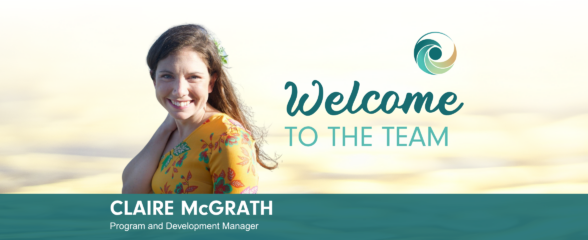
Claire McGrath Joins SECOORA as Program and Development Manager
SECOORA welcomes Claire McGrath as Program and Development Manager, supporting the Southeast & Caribbean Coastal Disaster Resilience Partnership and membership growth.

Spotlight: Mobilizing to Save Florida’s Coral Reefs
Learn how scientists are racing to save Florida's Coral Reef through coral rescue, gene banking, reef restoration, and innovative conservation efforts after disease and marine heatwaves devastated one of America's most important marine ecosystems.
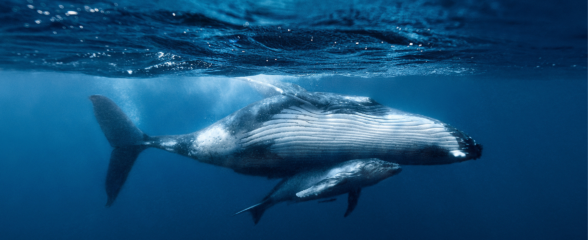
From a Whale’s Song to an Ocean’s Symphony: How AI Decodes Underwater Sound
Explore how SECOORA-funded research is using AI and machine learning to decode ocean soundscapes, detect boat noise, and support coral reef restoration efforts.