

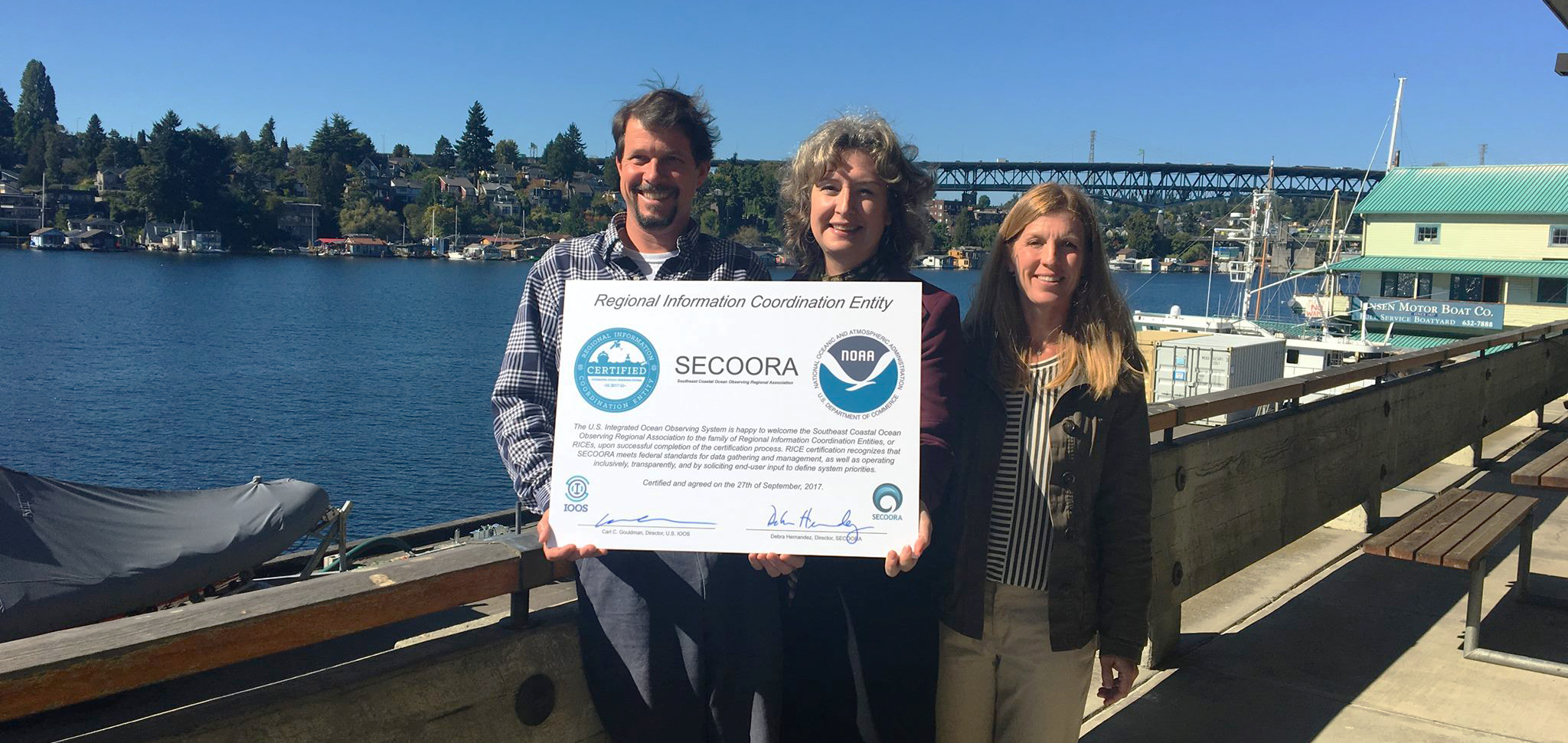
SECOORA is certified as a Regional Information Coordination Entity, or RICE.
RICE Certification recognizes that SECOORA meets NOAA federal standards for data gathering, management and long-term archiving, as well as operating inclusively, transparently, and by soliciting stakeholder feedback to ensure that we meet their priority needs related to coastal and ocean observing.
Why Data Standardization?
Numerous federal and non-federal agencies are gathering weather and oceanographic data every day. In order to maximize utility of the data, it is important to ensure data is reported in a standard format, or rather, that we are all speaking the same language.
This increases the ease and success of data integration and sharing to allow for the development of environmental products, services, and models.
RICE Certification and the Solution to Data Standardization
The Integrated Coastal and Ocean Observation System Act of 2009 recognized the importance of data standards. The act requires the NOAA led U.S. Integrated Ocean Observing System (IOOS®) to develop and implement the RICE process to ensure that IOOS® Regional Associations (RAs) are providing high-quality observations that meet rigorous federal standards for data management and governance.
After completing a thorough and extensive NOAA IOOS application process, ensuring all requirements for data collection, data quality control and assurance, and data archival are satisfied, SECOORA was certified as a Regional Information Coordinating Entity or a RICE earlier this year. SECOORA is covered by federal liability protection and our data can be used with the same quality assurance as federal data.
Below are five points* on why RICE Certification matters:
- Certification leverages local observing data alongside federal observing data to expand the pool of federal-quality data available nationwide.
- Certification means that this data is as reliable as the data you get from federal sources like NOAA.
- Certification requires that documentation of practices be published, enhancing data and information utility by allowing cross-checking and explaining procedures.
- Certification means that federal sources are able to use this data without spending time and resources on additional QC, and integrate it into their resources and products.
- Certification requires data archiving at a national center which facilitates long-term data research.
*From U.S. IOOS Website: https://ioos.noaa.gov/about/governance-and-management/certification-extending-reach-regional-data/
Next Steps
Certification opens doors for greater collaborations. SECOORA’s data management expertise and capacity provides a solid foundation to support member and stakeholder efforts – private, local, state or federal – to develop products and services for decision makers.
We can also help ensure your data meets federal data sharing and archiving requirements, enabling the broad impact from collected data.
Related news
SECOORA is Hiring a Grants Manager
SECOORA is hiring a Grants Manager to lead grant and subaward management across a four-state coastal ocean observing network. Based in the Southeast US. Apply now.

Meet the new 2026 SECOORA Board Members
SECOORA welcomes three new members to its Board of Directors, effective July 1, 2026 - bringing fresh expertise in marine science, coastal geomorphology, and ecosystem restoration to guide our work across the Southeast.
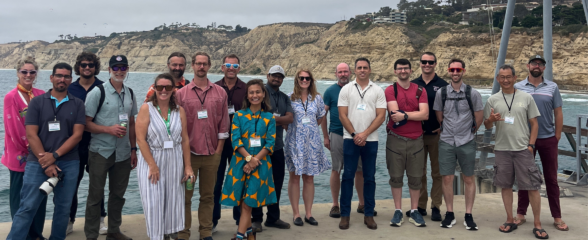
SECOORA Co-Hosts the 2026 WebCOOS Workshop In Person in La Jolla, CA
The 2026 WebCOOS Workshop convened in person on July 21-22, 2026 in La Jolla, CA. 45 attendees representing all 11 IOOS Regional Associations and national partners joined this collaborative workshop to discuss webcam-derived coastal products, stakeholder needs, and the network's transition into its next phase under IRA T2.