

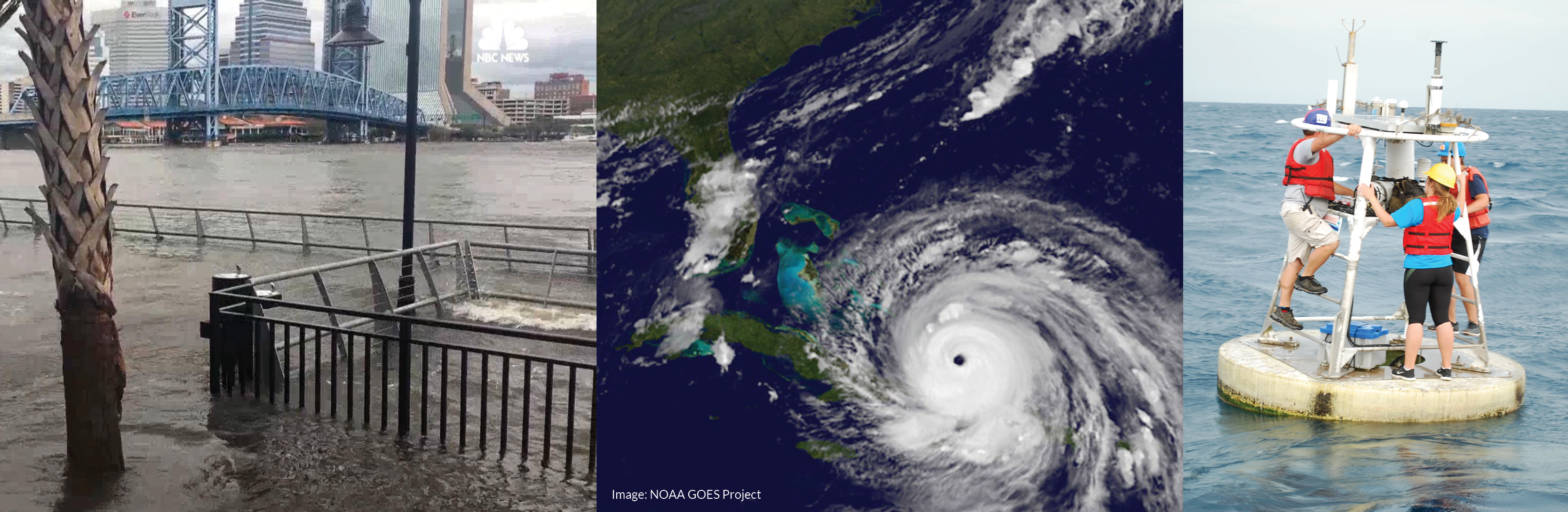
On January 15 at 6:00 PM, Jacksonville University Marine Science Research Institute, St Johns Riverkeeper, and the Southeast Coastal Ocean Observing Regional Association are co-hosting a free public forum to discuss the types of ocean observing technologies that are vital to our understanding of hurricanes and sea level rise.
Please join us for this free event! Email abbey@secooraorgpact.wpengine.com to learn more or click here for the flyer.
Speakers
- Quinton White, Jacksonville University Marine Science Research Institute
- Debra Hernandez, Southeast Coastal Ocean Observing Regional Association
- Jeremy Stalker, Jacksonville University Marine Science Research Institute
- Mark Collins, WJXT TV Channel 4 News
- Catherine Edwards, University of Georgia Skidaway Institute of Oceanography
When
January 15, 2019
Doors open at 6:00 PM
Forum begins at 6:30 PM
Where
Gooding Auditorium at Jacksonville University
2800 University Blvd N, Jacksonville, FL 32211
Public forum is sponsored by:
 |
 |
 |
 |
Related news
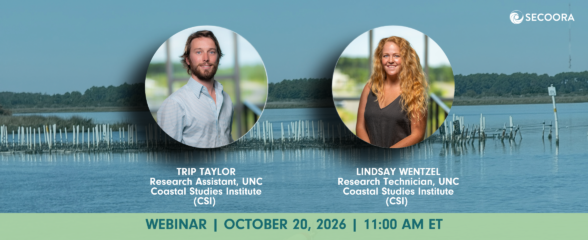
Webinar | Powering Coastal Aquaculture: Demonstration of Paired Tidal Energy Harvesting and Water Quality Monitoring
Join us on October 20, 2026, at 11:00 AM ET to learn how a marine energy-powered sensor platform is helping North Carolina oyster farmers monitor water quality.
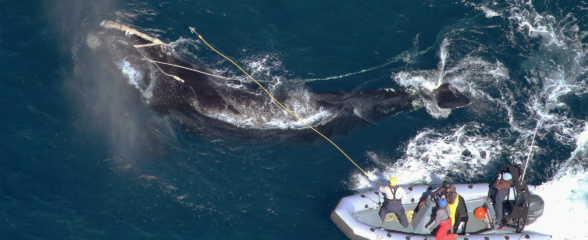
Saving the North Atlantic Right Whale: Underwater Gliders Join the Fight to Save a Species
Meet the SECOORA-funded scientists using underwater gliders and acoustic tech to protect critically endangered North Atlantic right whales.

Dave Wells Joins SECOORA as Ocean Observing Systems Team Lead
SECOORA welcomes Dave Wells as Ocean Observing Systems Team Lead where he will oversee SECOORA's coastal observing system assets and data management.