

The Southeast Coastal Ocean Observing Regional Association (SECOORA) invites proposals for research projects that address one or more of the following environmental concerns within the Southeast US region:
- Harmful algal blooms
- Sound in the marine environment
- Coral health
Funding will be provided for one to two 12-month projects that will improve understanding of these environmental concerns. Projects should address a key gap in scientific understanding, technology, or data. Observations may be physical, bio-optical, chemical, or acoustic with the intent to integrate with SECOORA’s observational, modeling, and/or data management sub-systems.
Proposals must significantly involve stakeholders for the environmental concern being addressed. Grant awards will range between $5,000 and $30,000 with an estimated 1 to 2 awards provided. Federal agencies and federal employees are not allowed to apply for funding.
Proposals are due via email to Jennifer Dorton (jdorton@secooraorgpact.wpengine.com) by April 15, 2019.
Related news

Dave Wells Joins SECOORA as Ocean Observing Systems Team Lead
SECOORA welcomes Dave Wells as Ocean Observing Systems Team Lead where he will oversee SECOORA's coastal observing system assets and data management.
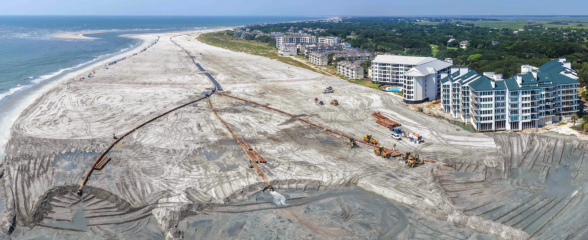
At the Water’s Edge: Lowcountry Coastlines in a Brave New World
A nor'easter's record storm tide. A stalled tropical storm. Two Lowcountry towns adapting to a new era of flooding, with SECOORA data in hand.

Above the High Tide: Water Level Sensors on the Front Line
SECOORA's Southeast Water Level Network has installed 100+ sensors across the Carolinas, Georgia, and Florida, giving communities real-time flood data.