

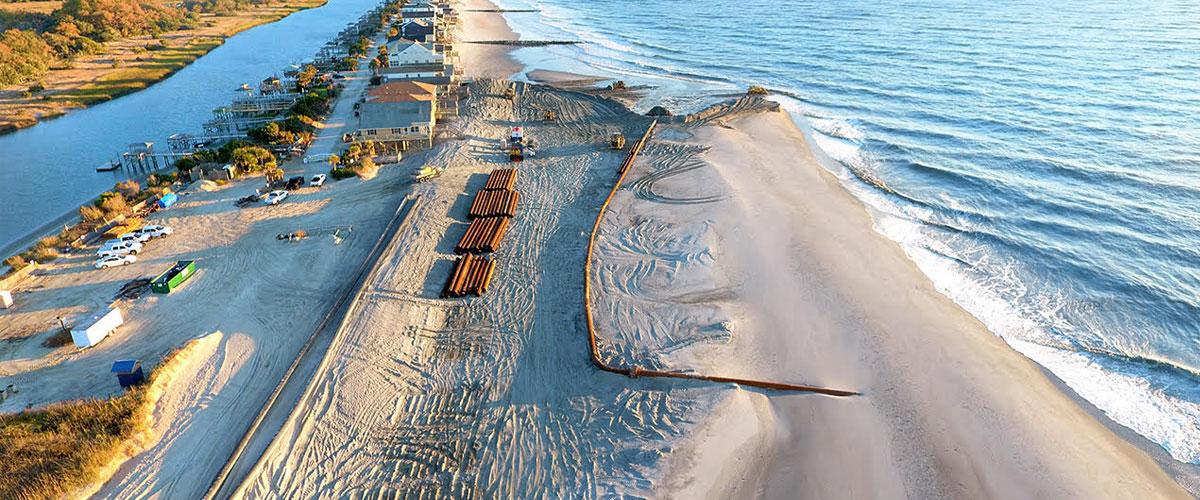
The Southeast Coastal Ocean Observing Regional Association (SECOORA) is the lead for a new data-sharing initiative with partners from North Carolina, South Carolina, Georgia, and Florida. This initiative is designed to increase collaboration around and access to critical ocean data. The initiative’s first project focused on sand management since sand is a valuable resource for local beaches and it provides valuable habitat for a range of species, both on land, and underwater.
The ocean data sharing initiative page, Sand Management, provides an overview of the socio-economic and ecological value of sand resources as well as user-friendly access to existing sand data sources at the state, federal, and local scale.
The project engaged public and private sector organizations from across the Southeast to better understand critical gaps for long-term sand management across the region. The result is a series of recommendations around data collection and access, funding opportunities, and management needs.
“Sand is an important resource across the Southeast U.S. and the goal of this project was to better understand existing data sources, gaps in information, and ways to improve access to decision-makers. We are pleased that interested parties can now reach a variety of resources through the SECOORA website and look forward to moving forward recommendations identified by a range of sand constituents.“
Mary Conley, Southeast Director of Marine Conservation, The Nature Conservancy
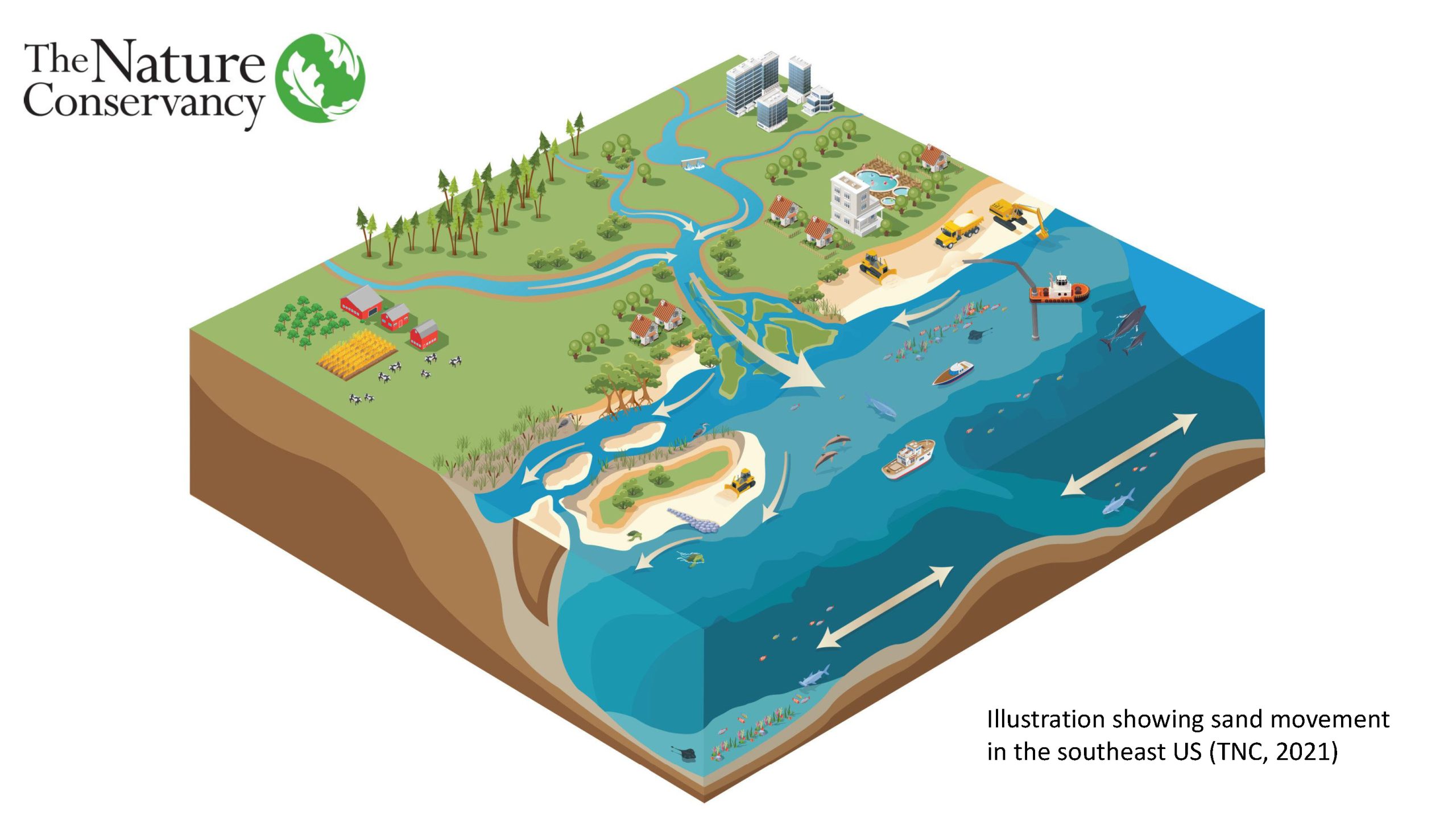
The communication materials that were developed over the course of the project are designed to inform a diverse range of stakeholders and highlight the importance and needs of sand management in the Southeast.
In February 2021, a webinar was hosted by SECOORA and presented by Mary Conley and Bob Crimian from The Nature Conservancy discussing the Southeast Sand Resources Project. The archived webinar can be found here.
Related news

Spotlight: Mobilizing to Save Florida’s Coral Reefs
Learn how scientists are racing to save Florida's Coral Reef through coral rescue, gene banking, reef restoration, and innovative conservation efforts after disease and marine heatwaves devastated one of America's most important marine ecosystems.
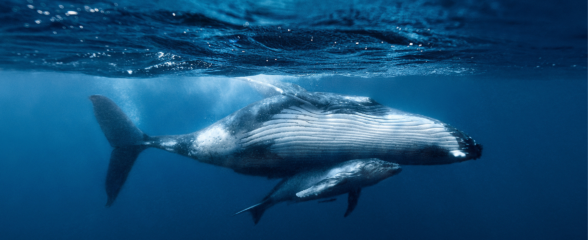
From a Whale’s Song to an Ocean’s Symphony: How AI Decodes Underwater Sound
Explore how SECOORA-funded research is using AI and machine learning to decode ocean soundscapes, detect boat noise, and support coral reef restoration efforts.
Rebuilding the Future: USF’s College of Marine Science Recovers from Historic Blaze One Day at a Time
Following a devastating fire at USF’s Marine Science Lab, researchers rally to salvage decades of critical data and maintain vital ocean monitoring.