

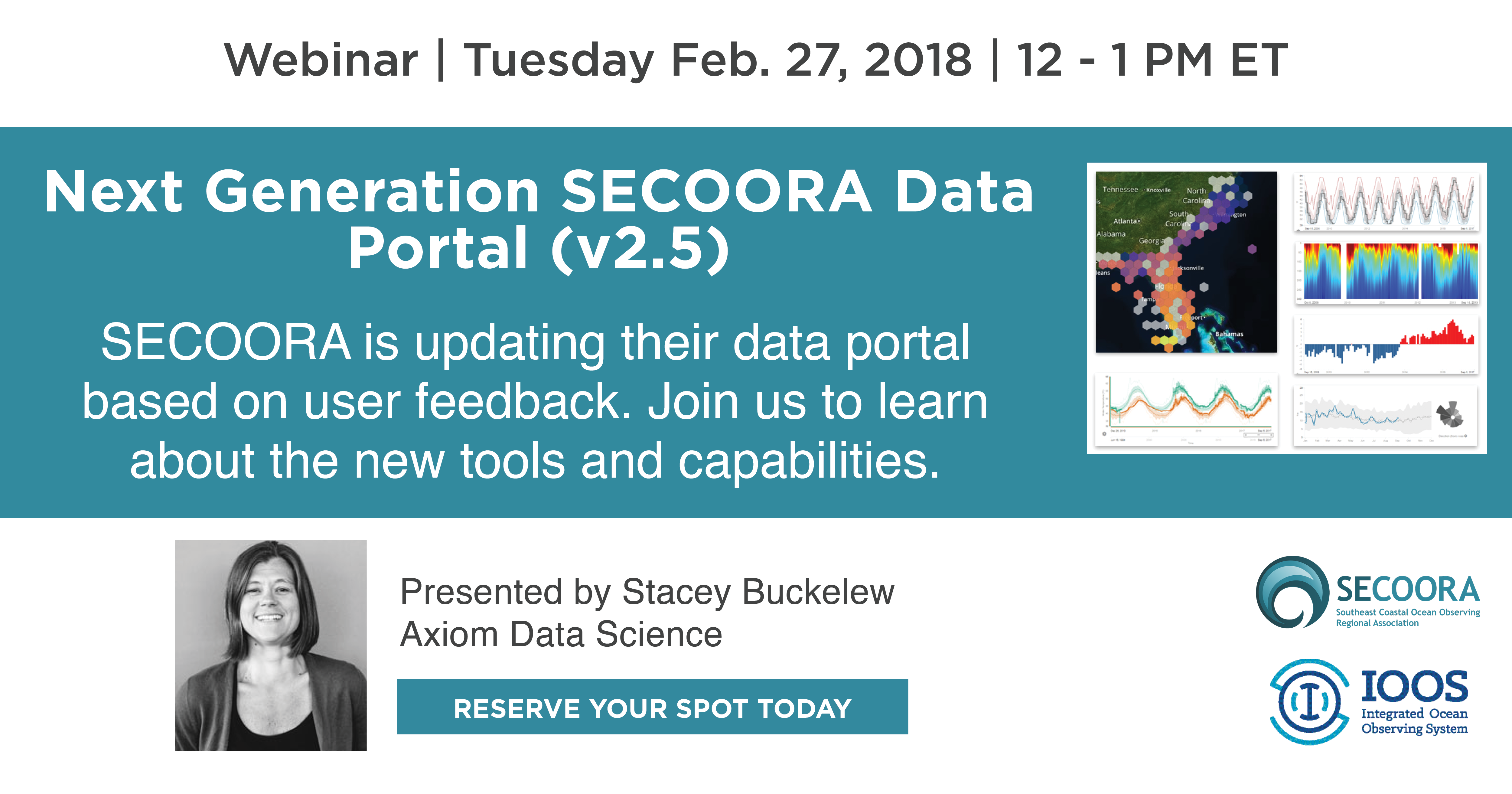
Next Generation SECOORA Data Portal (v2.5)
Presenter: Stacey Buckelew, Director of Programs, Axiom Data Science
Date: February 27, 12 PM ET
Building on many years of stakeholder feedback, SECOORA and its technical partner, Axiom Data Science, have been working on a significant overhaul to the SECOORA Data Portal. The updated portal is currently available in beta version (v2.5) to give users access to new features and a revamped design to get more out of the SECOORA data services. The new portal exists on a platform that is more responsive to long time series observations, and has been updated with more advanced discovery and sharing capabilities. The portal offers sophisticated charting abilities, including comparisons between data sources, binning by time, and plotting of climatologies and anomalies. Users can create custom compilations of sensor and model outputs, which can be shared to spotlight environmental events or geographic locations. Ocean profiling sensors, such as gliders, have been enhanced to display depth charts, interpolation via kriging, and 4D interactive charts.
Feedback from test users on the new interface will be integrated into the final, operational version that is expected to replace the current one in April 2018. With these new features, the SECOORA Data Portal will serve as a more powerful tool for users to explore relationships and trends in the physical, chemical, and biological data collected from the waters surrounding the southeast coastal region.
Related news

Spotlight: Mobilizing to Save Florida’s Coral Reefs
Learn how scientists are racing to save Florida's Coral Reef through coral rescue, gene banking, reef restoration, and innovative conservation efforts after disease and marine heatwaves devastated one of America's most important marine ecosystems.
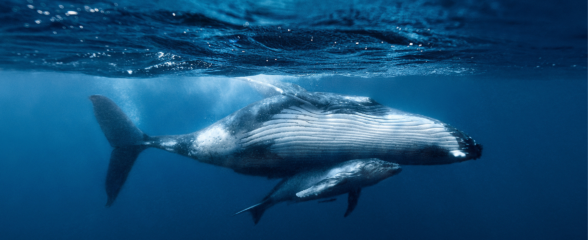
From a Whale’s Song to an Ocean’s Symphony: How AI Decodes Underwater Sound
Explore how SECOORA-funded research is using AI and machine learning to decode ocean soundscapes, detect boat noise, and support coral reef restoration efforts.
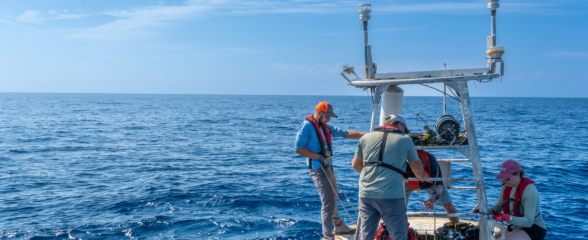
Rebuilding the Future: USF’s College of Marine Science Recovers from Historic Blaze One Day at a Time
Following a devastating fire at USF’s Marine Science Lab, researchers rally to salvage decades of critical data and maintain vital ocean monitoring.