

SECOORA is collaborating with community partners and working alongside historically underrepresented groups in the establishment of coastal community monitoring programs and decision-support tools.
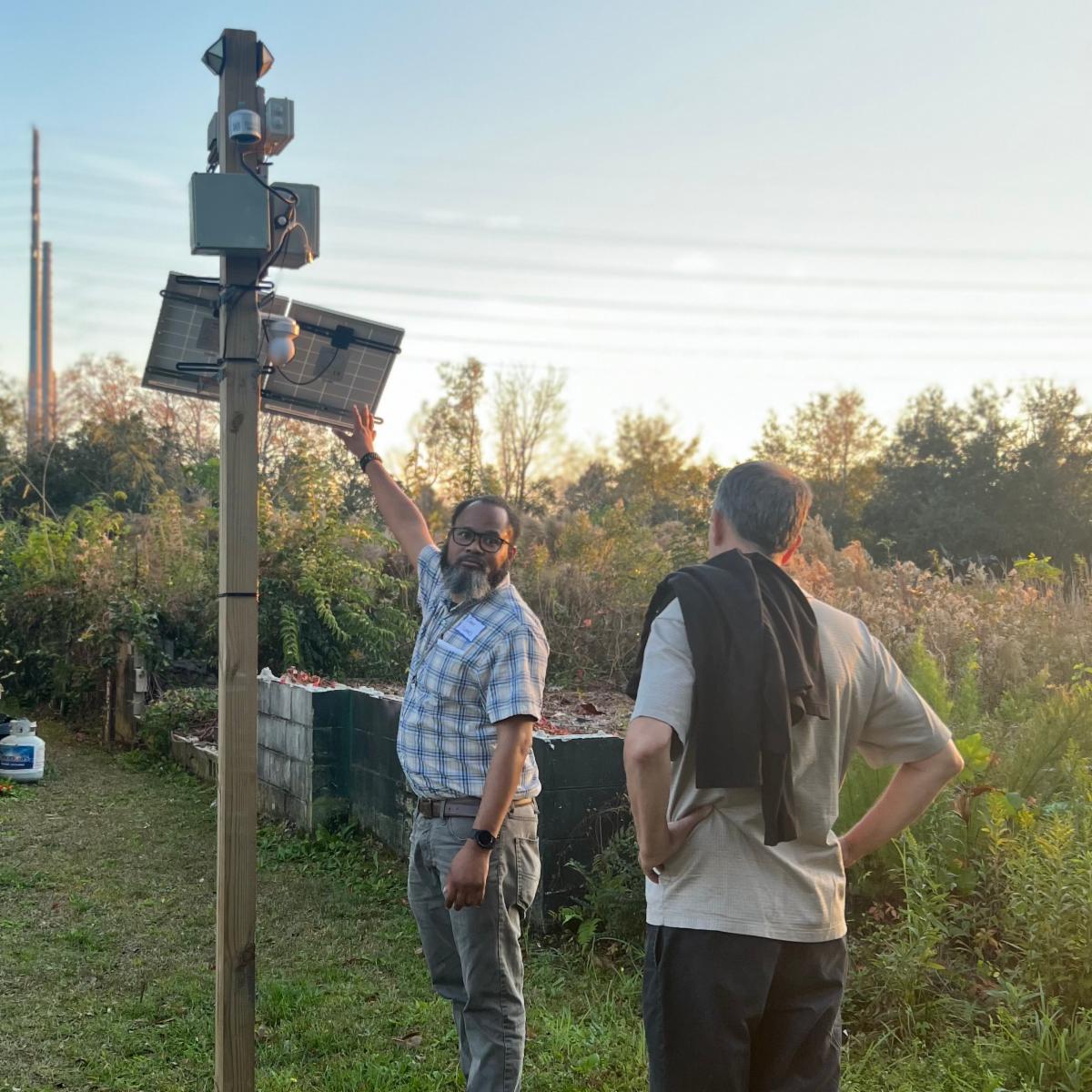
An example is a partnership with the Rosemont Community in South Carolina. SEOORA partners are utilizing water level sensors, air quality sensors, and web cameras to produce data and sound science to “make noise” to address Rosemont Community’s quality of life concerns (flyer).
In December 2023, SECOORA Board members participated in a field trip to learn about SECOORA efforts with the Rosemont Community in South Carolina. Pictured is William Savidge, SECOORA Board Member (right), with Omar Muhammad, Executive Director of Lowcountry Alliance for Model Communities (left). Omar is showcasing the technology installed as part of Rosemont Community’s Flood Watch project.
Related news

SET Webinar Series: Exploring Coastal Change: Digital Coast Resources
Join us on August 28, 2026, from 1:00 - 2:00 PM for the SECOORA SET Webinar Series, where we will explore coastal change using NOAA's Digital Coast resources. This webinar will bring together SET Community of Practice members and partners to learn how geospatial data and tools can support SET monitoring and place site-level observations within a broader landscape context.
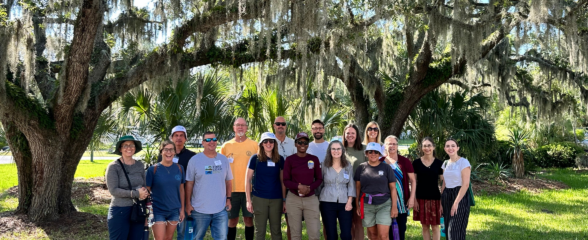
SECOORA Hosts the Second Surface Elevation Table (SET) Community of Practice Workshop In Person in Charleston
The 2nd SECOORA SET Workshop convened in person on July 16-17, 2026 in Charleston, SC. More than 30 Community of Practice members and stakeholders joined this collaborative workshop to discuss SET monitoring, coastal resilience, and data-driven decision making in the Southeast.
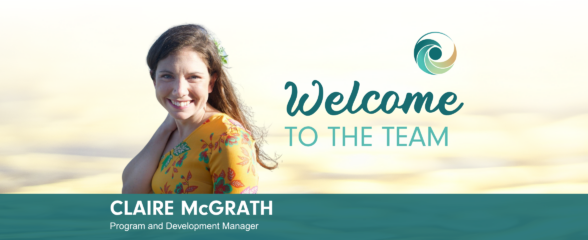
Claire McGrath Joins SECOORA as Program and Development Manager
SECOORA welcomes Claire McGrath as Program and Development Manager, supporting the Southeast & Caribbean Coastal Disaster Resilience Partnership and membership growth.