

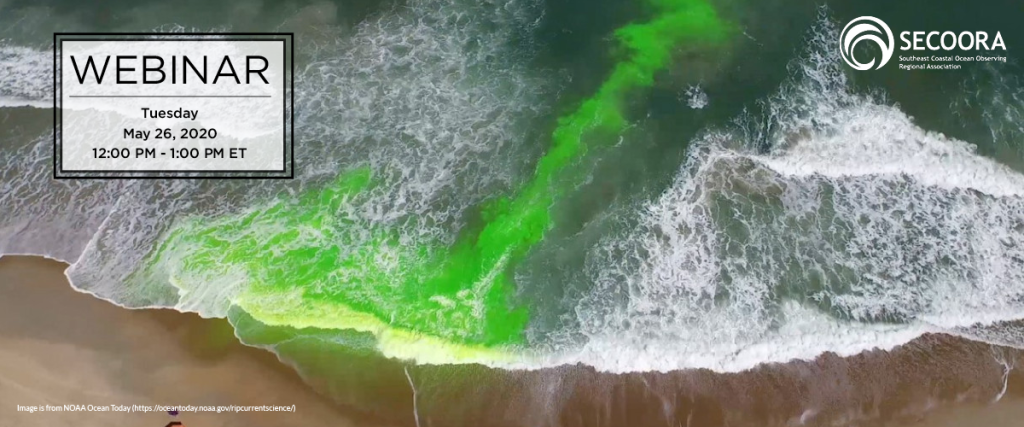
Join SECOORA for a webinar on May 26 at Noon ET with a team from the National Weather Service Forecast Office Wilmington, North Carolina. They will discuss rip current information, important demographics and statistics, the Hurricane Lorenzo case, and future forecast and outreach efforts.
Date: Tuesday, May 26, 2020
Time: 12:00 – 1:00 PM ET
Click here to reserve your spot!
Download the flyer and please share.
Abstract
In the Carolinas, rip currents kill more people than lightning, tornadoes, flooding, and hurricanes. Since 2000 there have been 143 rip current related fatalities and thousands of rescues. While these hazards are confined to the surf zone, they can have far-reaching impacts given the transient nature of people visiting the beaches from around the country. As a result, building resiliency for coastal hazards should not just be considered for those in coastal zones, but should be inclusive of a highly mobile population.
Rip current fatality statistics have provided significant insight – including analyses of age, gender, and specific circumstances that have led to drownings. The silver lining is that these metrics can be used to develop better public safety messaging and enhancements to rip current forecasting.
In addition, the 2019 Hurricane Lorenzo case illustrates significant challenges to public messaging, especially with powerful storms which remain far out to sea. Swells from Hurricane Lorenzo directly led to 7 U.S. East Coast rip current deaths, even as the storm remained over 2000 miles offshore, and in-spite of attempts to increase the visibility of the threat with National Weather Service (NWS) products and social media platforms.
The NWS Rip Current Program continues to evolve in multiple ways to address the education, decision support, and forecast aspects of this coastal problem. The key to improving the program and building community resilience across the Nation is through strong partnerships and collaborative opportunities with a wide spectrum of partners. This presentation will discuss rip current information, important demographics and statistics, the Hurricane Lorenzo case, and future forecast and outreach efforts.
Presenters
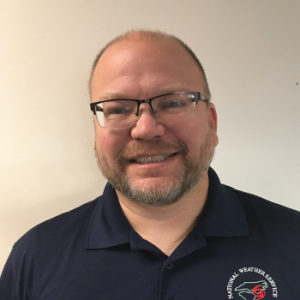
Steven Pfaff
Warning Coordination Meteorologist
National Weather Service Forecast Office Wilmington, North Carolina
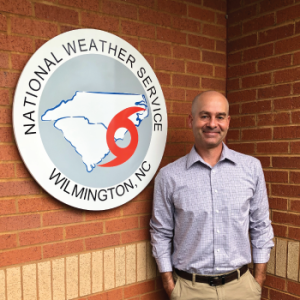
Mark Willis
Meteorologist in Charge
National Weather Service Forecast Office Wilmington, North Carolina

Victoria Oliva
Meteorologist
National Weather Service Forecast Office Wilmington, North Carolina
Related news

Spotlight: Mobilizing to Save Florida’s Coral Reefs
Learn how scientists are racing to save Florida's Coral Reef through coral rescue, gene banking, reef restoration, and innovative conservation efforts after disease and marine heatwaves devastated one of America's most important marine ecosystems.
From a Whale’s Song to an Ocean’s Symphony: How AI Decodes Underwater Sound
Explore how SECOORA-funded research is using AI and machine learning to decode ocean soundscapes, detect boat noise, and support coral reef restoration efforts.
Rebuilding the Future: USF’s College of Marine Science Recovers from Historic Blaze One Day at a Time
Following a devastating fire at USF’s Marine Science Lab, researchers rally to salvage decades of critical data and maintain vital ocean monitoring.