

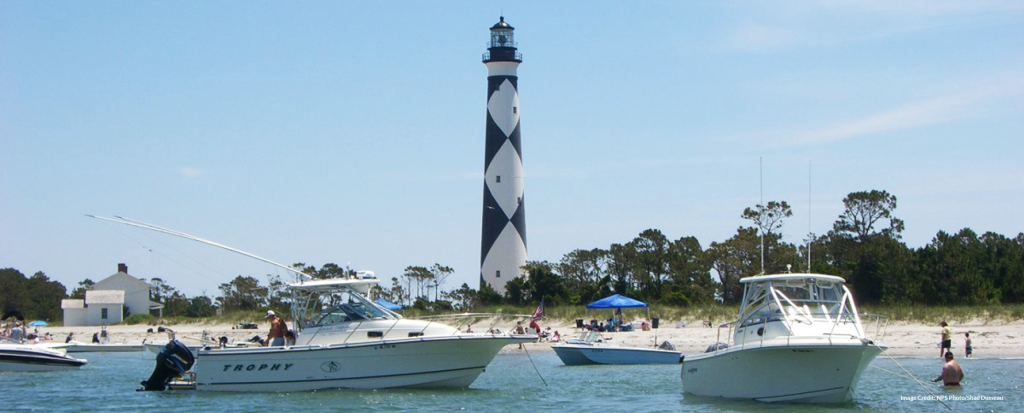
The weather and the water are warm and that means boating season is here. Before you head out on the water, be sure to see if it is safe with the below data resources.
Text a Buoy (new!)
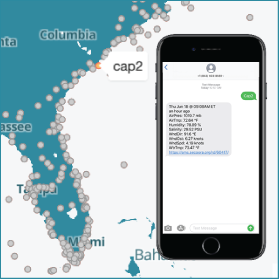
Need quick access to your favorite buoy data? Get that data delivered directly to your phone by text message. Send a text message to (843) 603-8559 with the station “key” from this table. This is a free service from SECOORA. Standard message rates from your carrier may apply.
Marine Weather Portal
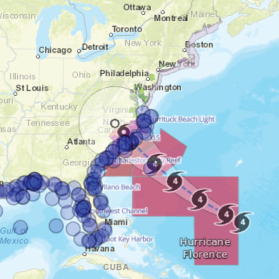
Curious about the wave heights or wind speed before deciding whether to leave the dock? Access free coastal and offshore observations and forecasts in one convenient location. The Marine Weather Portal is a map-based interface that provides access to local National Weather Service forecasts, real-time buoy and coastal station data, hazard alerts, and radar data.
SECOORA Data Portal
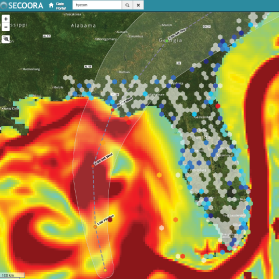
Have a favorite set of buoys or models you use before going boating? Use the SECOORA Data Portal to save a collection of data layers and create a personalized data view. With over 2,300 datasets, use the portal to explore, download and visualize ocean and coastal data in the Southeast US. Click here to learn how to make a data view.
Real Time Buoy Data
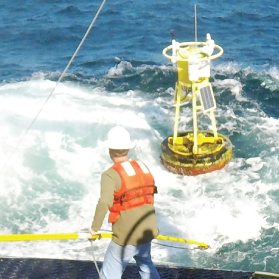
Boating off the coasts of West Florida or the Carolinas? Before going out on the water, access real time marine weather data from buoys and coastal stations.
Related news
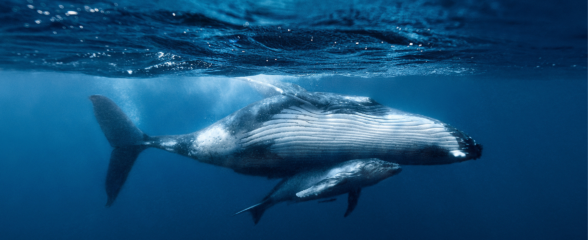
From a Whale’s Song to an Ocean’s Symphony: How AI Decodes Underwater Sound
Explore how SECOORA-funded research is using AI and machine learning to decode ocean soundscapes, detect boat noise, and support coral reef restoration efforts.
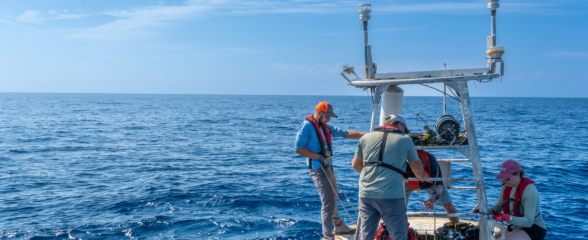
Rebuilding the Future: USF’s College of Marine Science Recovers from Historic Blaze One Day at a Time
Following a devastating fire at USF’s Marine Science Lab, researchers rally to salvage decades of critical data and maintain vital ocean monitoring.

Reimagining the Deep: BioTrack and the Whitespotted Eagle Rays of Florida’s Indian River Lagoon
Join FAU researchers as they track endangered whitespotted eagle rays in Florida’s Indian River Lagoon using advanced BioTrack acoustic and video tags.