

FY2027 Presidents Budget Will Hurt the Southeast
The President’s Budget for NOAA proposes eliminating IOOS Regional Associations. This program provides critical data. Its elimination would have serious consequences for communities, businesses, and decision-makers across the nation and the Southeast.
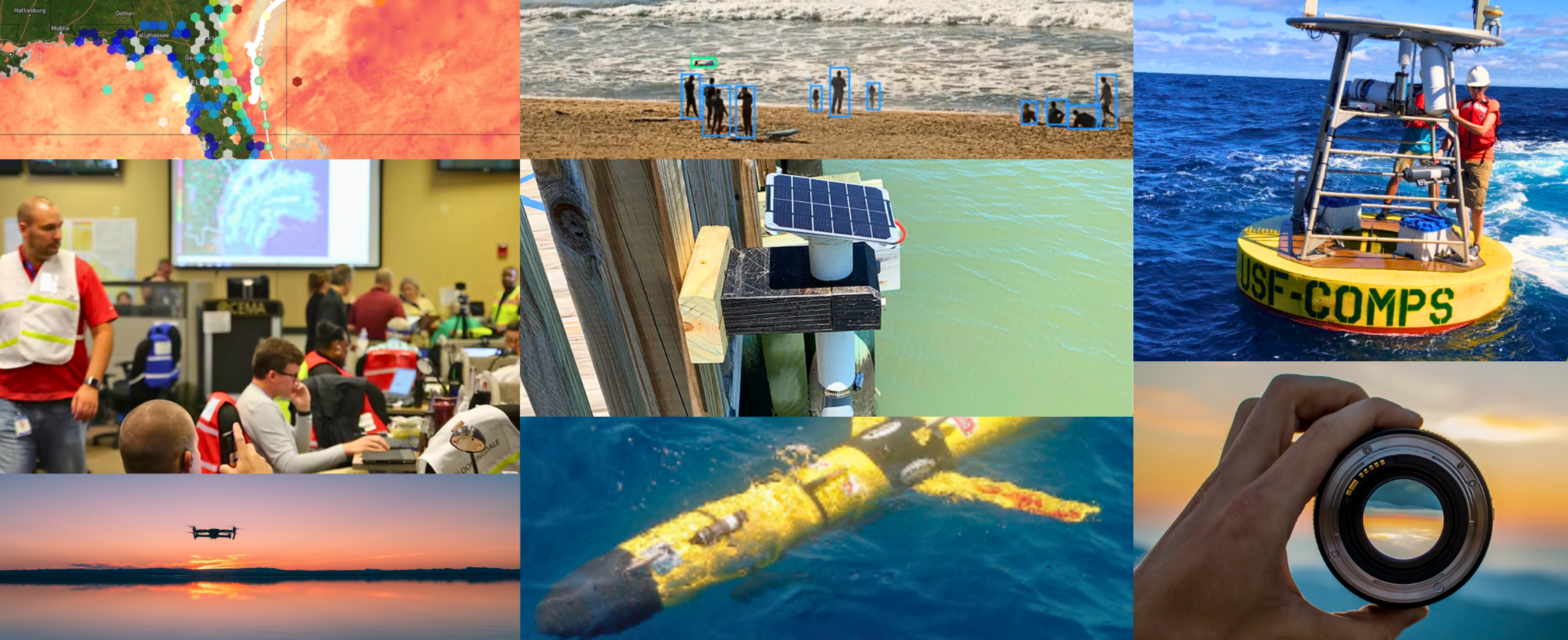
The President’s Budget for NOAA proposes eliminating IOOS Regional Associations. This program provides critical data. Its elimination would have serious consequences for communities, businesses, and decision-makers across the nation and the Southeast.
The Southeast Coastal Ocean Observing Regional Association (SECOORA), part of the NOAA U.S. Integrated Ocean Observing System (IOOS), provides the infrastructure that helps people prepare for disasters, support economic activity, protect public safety, and enables mariners to operate safely on the water.
Eliminating IOOS Regional Associations would weaken these capabilities and limit NOAA’s ability to deliver on its mission – at the very time accurate, real-time information is most needed.
What’s at Stake?
People across the Southeast rely us to provide timely, accurate information to make decisions about safety, operations, and coastal resources.
SECOORA and our partners operate sensors that provide data to make those decisions possible, including:
- Real-time water level and weather data
- Coastal camera networks showing current conditions
- Ocean and coastal sensors tracking environmental change
- Tools that translate data into clear, actionable information
These systems help people understand what’s happening now so they can act with confidence.
What Can You Do to Help?
- Contact your congressional representatives: Call or email your congressional representatives and express your support for IOOS with the template we’ve provided below. Calling is the best way to ensure your voice is heard (you can leave a voicemail after hours–your call will still be tallied!). Not sure who your congressional representative is? Use this link to type in your address and find out.
- Donate to SECOORA: With SECOORA’s funding at risk, we are doing everything we can to ensure that the services, products, and data that SECOORA provides for the benefit of the public, the maritime industry, scientists, and decision makers remain operational. Your donations will help us to ensure that SECOORA can continue its essential work in an uncertain federal funding landscape. Click here to donate.
- Spread the word: Share this article to raise awareness about the importance of IOOS and the risk to the program’s funding!
Phone/Email Template for Congressional Outreach*
*Feel free to include any details you think are relevant and important. You have to include your address when calling Congressional offices.
Hello, my name is _________. My address is _________.
I am contacting you to voice my concerns about the proposed funding cuts to the NOAA-funded Integrated Ocean Observing System released in the FY2027 Presidents Budget that would zero out the budget for the program.
The Southeast Coastal Ocean Observing Regional Association, also called SECOORA, is part of the Integrated Ocean Observing System. SECOORA provides critical infrastructure that supports disaster preparation, economic stability, public health & safety, and marine operations in North Carolina, South Carolina, Georgia, and Florida.
These proposed cuts would directly impact my community and the information we rely on to make informed decisions.
Related news

Meet the Scientist Helping Answer: Are Our Marshes Gaining Elevation?
Meet Ches Verveke, the scientist bringing 20+ years of Surface Elevation Table expertise to SECOORA's marsh elevation monitoring work in the Southeast.

Webinar | Powering Coastal Aquaculture: Demonstration of Paired Tidal Energy Harvesting and Water Quality Monitoring
Join us on October 20, 2026, at 11:00 AM ET to learn how a marine energy-powered sensor platform is helping North Carolina oyster farmers monitor water quality.
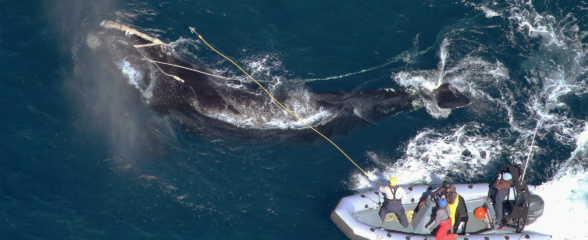
Saving the North Atlantic Right Whale: Underwater Gliders Join the Fight to Save a Species
Meet the SECOORA-funded scientists using underwater gliders and acoustic tech to protect critically endangered North Atlantic right whales.