

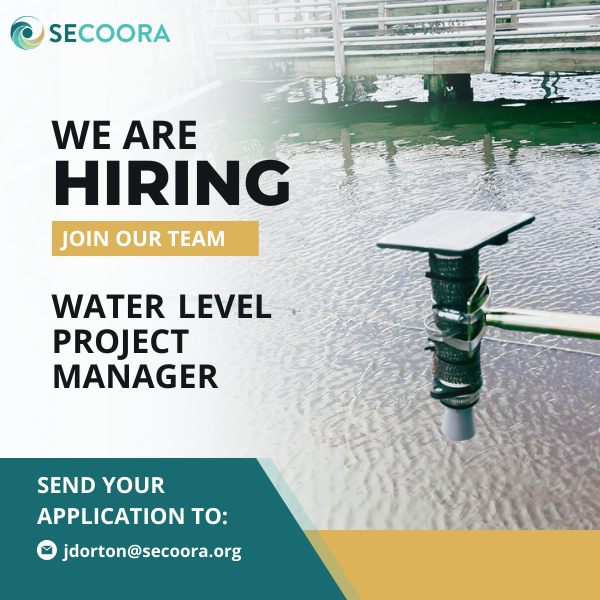
SECOORA is seeking to hire a Water Level Project Manager to lead a multi-year project to design and operate a regional water level sensor network, including supporting installation and maintenance activities of funded partners. SECOORA is working with partners to install lower cost water level sensors to collect data for helping communities and researchers make decisions related to coastal flooding and weather hazards.
The Water Level Project Manager will work with the SECOORA Deputy Director to effectively capitalize on, and evolve, the SECOORA regional coastal ocean observing system. This position will coordinate the operation of existing (and expansion of new) water level monitoring sensors along coastal North Carolina, South Carolina, Georgia, and Florida. Learn more about the SECOORA Southeast Water Level Network.
Application Instructions
Submit resume (3 pages maximum) and 1-page cover letter to Jennifer Dorton (jdorton@secoora.org). The search committee will review applications beginning August 1, 2023, and will continue until the position is filled. References will be requested for the top candidates after the interview process.
Related news
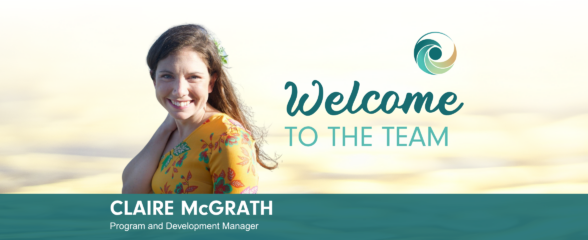
Claire McGrath Joins SECOORA as Program and Development Manager
SECOORA welcomes Claire McGrath as Program and Development Manager, supporting the Southeast & Caribbean Coastal Disaster Resilience Partnership and membership growth.

Spotlight: Mobilizing to Save Florida’s Coral Reefs
Learn how scientists are racing to save Florida's Coral Reef through coral rescue, gene banking, reef restoration, and innovative conservation efforts after disease and marine heatwaves devastated one of America's most important marine ecosystems.
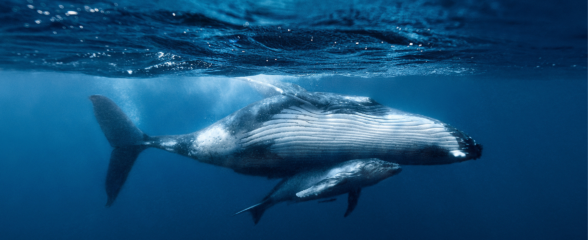
From a Whale’s Song to an Ocean’s Symphony: How AI Decodes Underwater Sound
Explore how SECOORA-funded research is using AI and machine learning to decode ocean soundscapes, detect boat noise, and support coral reef restoration efforts.