

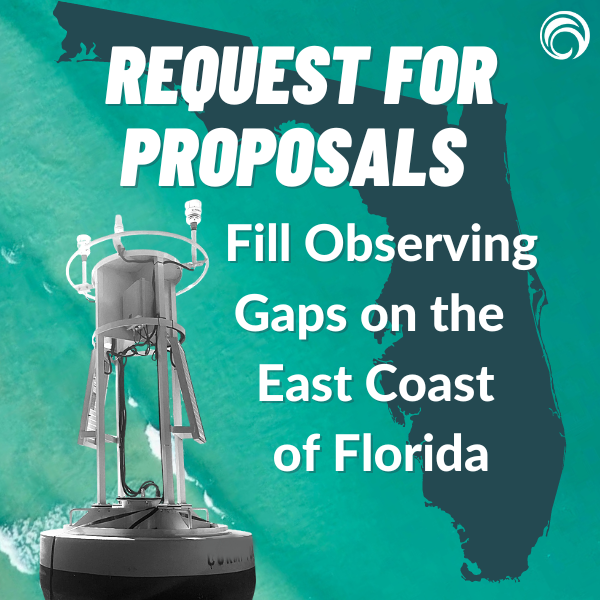
SECOORA is soliciting proposals to fill at least two gaps in buoy operations on the east coast of Florida. The gap is outlined in the Regional Coastal Ocean Observing System Strategic Operational Plan 2020 – 2025 (RCOOS Plan).
SECOORA is seeking proposals that:
- Fill at least two priority gaps in buoy operations on the east coast of Florida, as identified in the SECOORA RCOOS Plan
- Describe the sensor payload proposed for the moorings
- Have well thought out deployment, maintenance, and data management plans
- Provide, at minimum, hourly data and meet or exceed the SECOORA 85% up-time goal (i.e., systems are on-line and reporting data at least 85% of the time)
- Address at least one of the SECOORA focus areas: Coastal Hazards and Climate Variability; Ecosystems, including Water Quality and Living Marine Resources; and Marine Operations
This is a 5 year award. Initial funds available are $145,000 in Year 1 and $163,000 in Year 2. Anticipated funding for Years 3-5 is $120,000 to $145,000 annually. The funding start date is anticipated to be December 15, 2022.
Proposals are due by 5:00 PM November 15 (updated November 8).
Related news
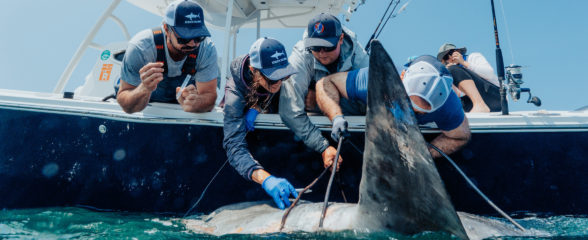
Reimagining the Deep: BioTrack’s Quest to Map Marine Biodiversity Hotspots
Discover how the BioTrack initiative uses advanced satellite and acoustic animal tracking to map marine biodiversity hotspots and protect endangered wildlife.
SECOORA Is Ready for the 2026 Hurricane Season
Hurricane season is here and SECOORA’s resources are available to help you stay informed. From real-time buoy data and live webcam feeds to ocean gliders and storm surge models, our network of observing systems is ready to support forecasters, emergency managers, researchers, and coastal communities throughout the Southeast.

Species Spotlight: Trichodesmium
Discover the remarkable role of Trichodesmium, a microscopic cyanobacterium that helps fuel life across the ocean. In this Species Spotlight, explore how researchers supported by the Marine Biodiversity Observation Network (MBON) are using imaging technology, genomics, and eDNA to better understand this “shape-shifting” organism and its influence on marine ecosystems, ocean health, and coastal economies.