

Overview
Southeast Coastal Ocean Observing Regional Association (SECOORA) is soliciting proposals for a competitive opportunity focused on coastal and ocean HAB observing in the Southeast. The scope of this opportunity is broad, but applicants should use the SECOORA Harmful Algal Bloom Plan as a guide to SECOORA’s priorities. Specifically, applicants should review the sections identifying HAB species of concern by state and areas of potential investment. Proposals should address how the effort can contribute to a regional-scale enterprise and include measurable engagement with stakeholders.
Projects should focus one or both areas:
- Observing – Funds can be requested to support the collection of data to better study HABs issues within the region. Funding can be used for fixed stations, mobile platforms (e.g., drones, AUVs), and ships.
- Products – Transform raw and/or processed data into useful and meaningful decision-making information and tools for HAB tracking and monitoring or forecasting HAB occurrence.
Total funds available are $200,000. SECOORA intends to award between 1 – 3 proposals that will be funded for a 2 year timeline. Proposals are due September 15, 2022 at 5 PM ET.
Please review the frequently asked questions page. If you have additional questions, please email laura@secooraorgpact.wpengine.com.
Related news
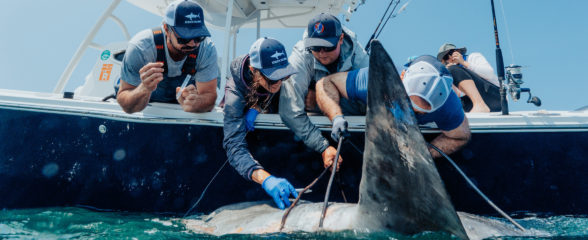
Reimagining the Deep: BioTrack’s Quest to Map Marine Biodiversity Hotspots
Discover how the BioTrack initiative uses advanced satellite and acoustic animal tracking to map marine biodiversity hotspots and protect endangered wildlife.

SECOORA Is Ready for the 2026 Hurricane Season
Hurricane season is here and SECOORA’s resources are available to help you stay informed. From real-time buoy data and live webcam feeds to ocean gliders and storm surge models, our network of observing systems is ready to support forecasters, emergency managers, researchers, and coastal communities throughout the Southeast.

Species Spotlight: Trichodesmium
Discover the remarkable role of Trichodesmium, a microscopic cyanobacterium that helps fuel life across the ocean. In this Species Spotlight, explore how researchers supported by the Marine Biodiversity Observation Network (MBON) are using imaging technology, genomics, and eDNA to better understand this “shape-shifting” organism and its influence on marine ecosystems, ocean health, and coastal economies.