

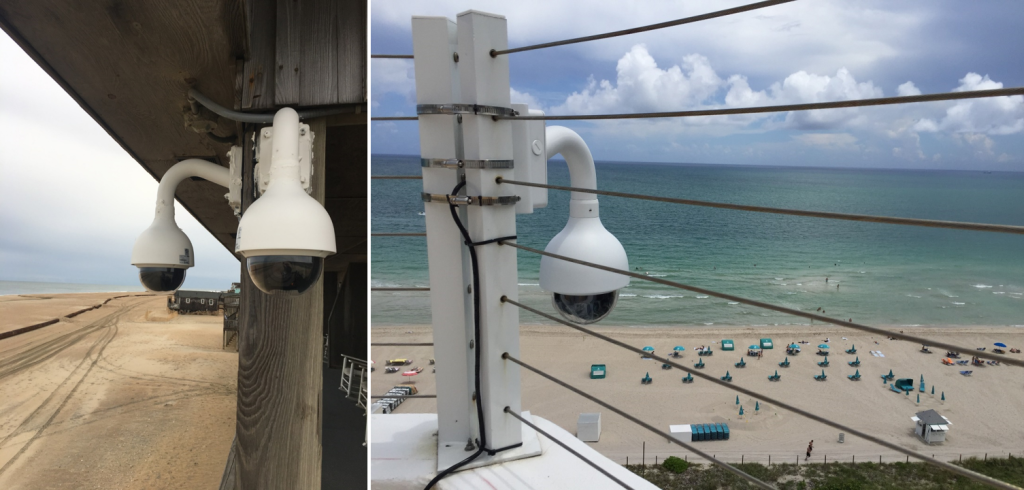
Two cameras installed for the webcam network. The left is located at Buxton, NC and the right is located in Miami, FL. Image Credit: Surfline, Inc.
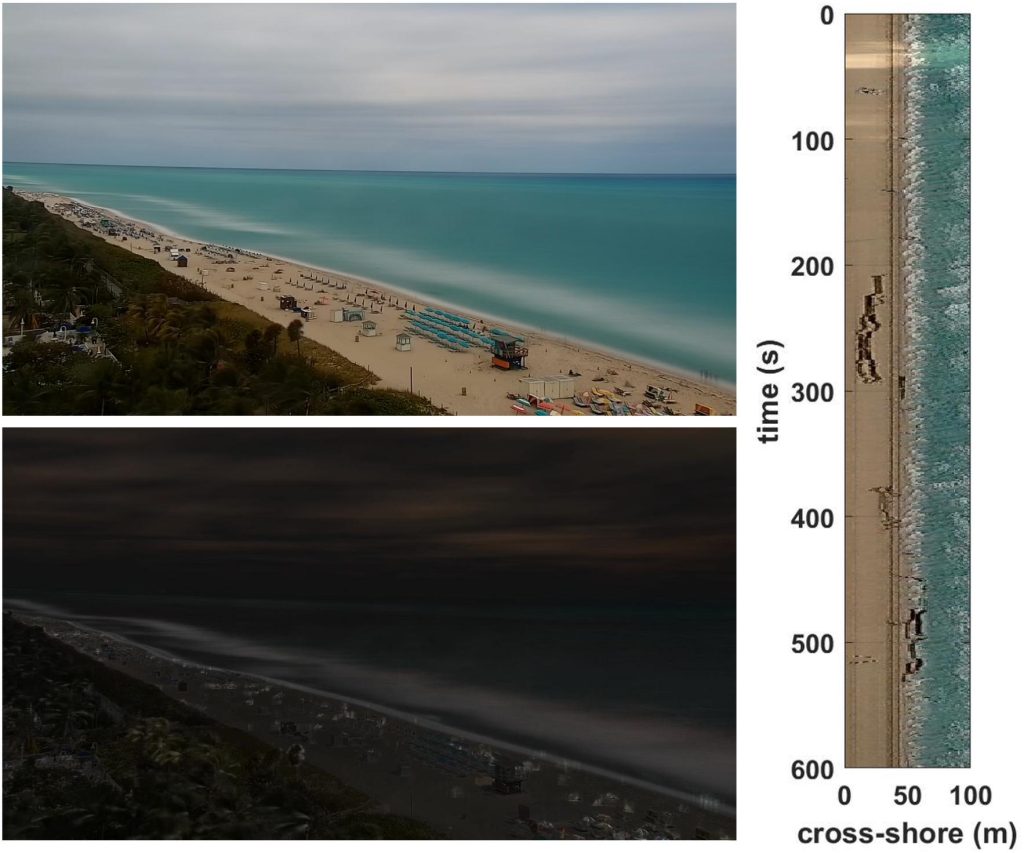
Example of a product using web camera data. Time-average (top), time-variance (bottom) and time-stack (right) images are calculated from video segments from the Miami, FL camera. These products support identification of morphological features, shoreline position and wave runup and overwash. Credit: Dusek et al., 2019.
SECOORA was recently awarded a $1.1 million grant to launch a sustained network of low-cost webcams throughout the Southeast, which will build off of a successful pilot project. Webcams are a low cost coastal observing platform transforming how environmental monitoring is conducted. Video data is being used for applications related to transportation and commerce, preparedness and risk reduction, and stewardship of coastal resources.
The project, Webcams for Coastal Observations and Operational Support (WebCOOS), will develop a webcam coastal observing network for quantitative scientific analysis, public safety, and resource management for coastal municipalities. To accomplish this, standardized data processing and management methodology will be established to provide stakeholders such as lifeguards, emergency managers, and coastal managers actionable information from webcam video.
“SECOORA is excited to be awarded NOAA funding to transition our successful pilot project, the Web Camera Applications Testbed, to a sustained network. Webcam data has demonstrated value to address significant gaps in the nation’s ability to monitor and accurately forecast various weather, ocean, ecological and public health hazards.”
– Debra Hernandez, SECOORA Executive Director
This project will result in immediate benefits to partners by filling gaps in critical coastal observations. For instance, webcam data will help NOAA validate and improve their rip current forecast model, and USGS relies on webcam observations of wave run-up for research on beach erosion, overwash, and inundation. In both of these cases and others, there are extremely limited coastal observations available to address these needs.
Project Funding
This project is funded by the NOAA U.S. Integrated Ocean Observing System’s (IOOS®) Ocean Technology Transition grant.
Project Partners
Related news
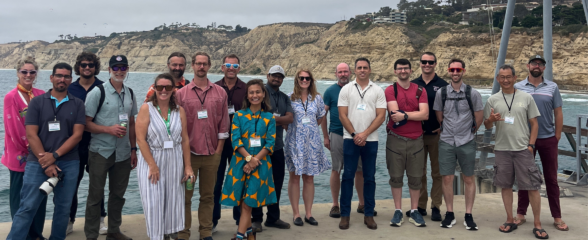
SECOORA Co-Hosts the 2026 WebCOOS Workshop In Person in La Jolla, CA
The 2026 WebCOOS Workshop convened in person on July 21-22, 2026 in La Jolla, CA. 45 attendees representing all 11 IOOS Regional Associations and national partners joined this collaborative workshop to discuss webcam-derived coastal products, stakeholder needs, and the network's transition into its next phase under IRA T2.

SET Webinar Series: Exploring Coastal Change: Digital Coast Resources
Join us on August 28, 2026, from 1:00 - 2:00 PM for the SECOORA SET Webinar Series, where we will explore coastal change using NOAA's Digital Coast resources. This webinar will bring together SET Community of Practice members and partners to learn how geospatial data and tools can support SET monitoring and place site-level observations within a broader landscape context.
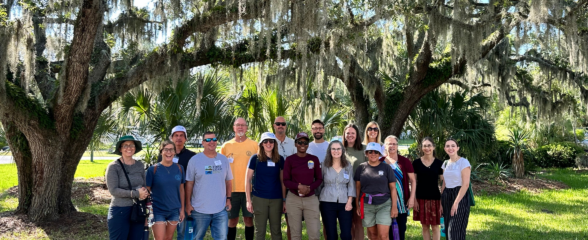
SECOORA Hosts the Second Surface Elevation Table (SET) Community of Practice Workshop In Person in Charleston
The 2nd SECOORA SET Workshop convened in person on July 16-17, 2026 in Charleston, SC. More than 30 Community of Practice members and stakeholders joined this collaborative workshop to discuss SET monitoring, coastal resilience, and data-driven decision making in the Southeast.