

SECOORA is soliciting proposals that focus on geospatial data required by states and regional organizations in addressing coastal and ocean management issues.
The funding for this award was appropriated by Congress to enhance capacity for sharing and integration of data from Federal and non-Federal sources to support regional coastal, ocean, and Great Lakes management priorities.
Proposals are due October 30, 2020 at 5 PM ET. Total funds available are $180,000. SECOORA intends to award between 1 and 5 proposals.
Click here to read the full Request for Proposals.
Questions
For any questions, please contact Megan Treml (mtreml@secooraorgpact.wpengine.com).
Related news
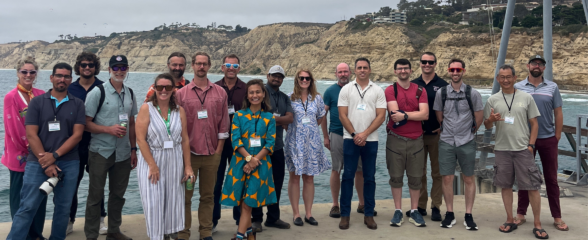
SECOORA Co-Hosts the 2026 WebCOOS Workshop In Person in La Jolla, CA
The 2026 WebCOOS Workshop convened in person on July 21-22, 2026 in La Jolla, CA. 45 attendees representing all 11 IOOS Regional Associations and national partners joined this collaborative workshop to discuss webcam-derived coastal products, stakeholder needs, and the network's transition into its next phase under IRA T2.

SET Webinar Series: Exploring Coastal Change: Digital Coast Resources
Join us on August 28, 2026, from 1:00 - 2:00 PM for the SECOORA SET Webinar Series, where we will explore coastal change using NOAA's Digital Coast resources. This webinar will bring together SET Community of Practice members and partners to learn how geospatial data and tools can support SET monitoring and place site-level observations within a broader landscape context.
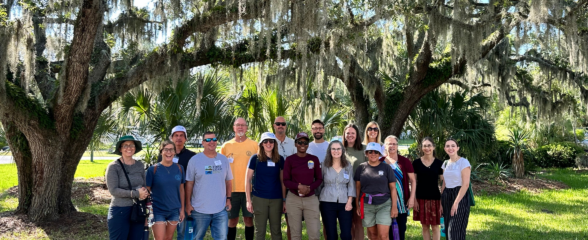
SECOORA Hosts the Second Surface Elevation Table (SET) Community of Practice Workshop In Person in Charleston
The 2nd SECOORA SET Workshop convened in person on July 16-17, 2026 in Charleston, SC. More than 30 Community of Practice members and stakeholders joined this collaborative workshop to discuss SET monitoring, coastal resilience, and data-driven decision making in the Southeast.