

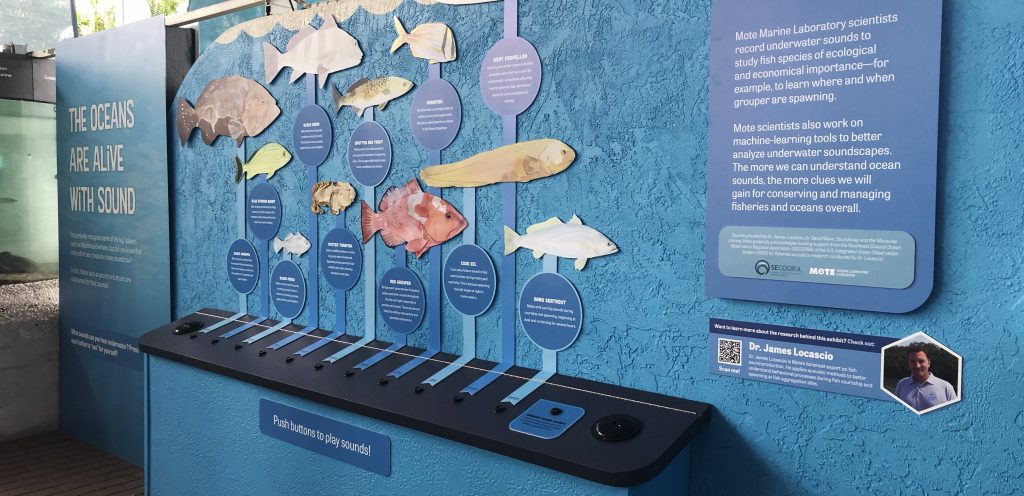
New sound data interactive exhibit at Mote Marine Laboratory & Aquarium
Did you know fish, marine mammals, hurricanes, and people all make noises that can be heard underwater? Would you like to hear the sounds grouper make when spawning? Scientists record underwater sounds to study fish and marine mammal movement patterns, mating rituals, human impacts on marine life (e.g. noise impacts from boats or dredging), and much more.
Mote Marine Laboratory & Aquarium has created a new interactive, educational exhibit to teach visitors about the sounds of the ocean. Curious learners will be able to push a button to hear the sound of the pictured species, while learning about the purpose of the behavior, such as the black grouper’s low-frequency courtship noise.
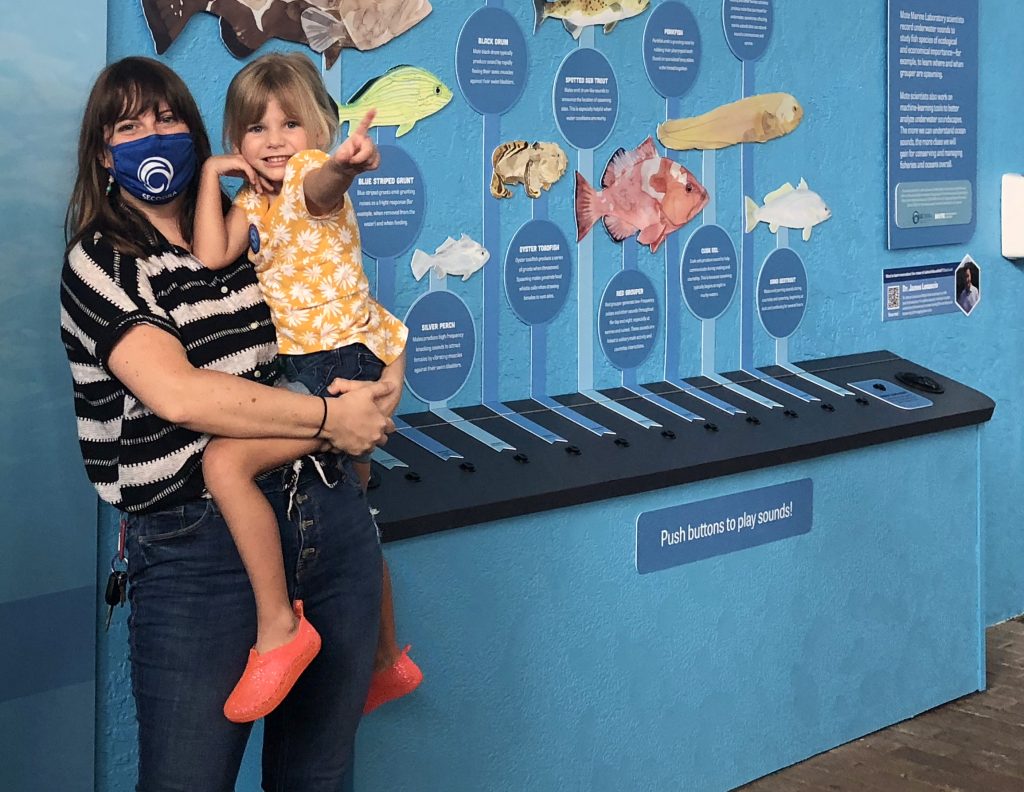
Abbey pictured with her niece visiting the new exhibit. It is kid (and adult) approved!
Sound recordings (known as acoustic data) are recorded underwater with hydrophones. A hydrophone is an underwater technology that detects and records ocean sounds from all directions.
This exhibit builds on the work of Mote’s Dr. James Locascio, Program Manager of Fisheries Habitat Ecology and Acoustics. With funding from Southeast Coastal Ocean Observing Regional Association (SECOORA), Dr. Locasio and his team are developing machine-learning algorithms to automatically identify different biological, geophysical, and anthropogenic (human-made) sounds.
With over 300,000 visitors to Mote Aquarium per year, the new exhibit will informally educate many about the sounds of the ocean and the importance of collecting biological data for conservation of commercial, recreational, and protected species. Visit Mote and hear the sounds of the sea for yourself 365 days per year. Reserve your admission at mote.org/tickets
Related news
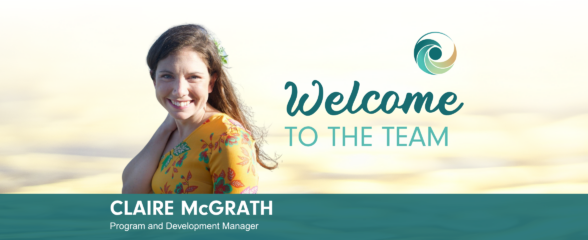
Claire McGrath Joins SECOORA as Program and Development Manager
SECOORA welcomes Claire McGrath as Program and Development Manager, supporting the Southeast & Caribbean Coastal Disaster Resilience Partnership and membership growth.

Spotlight: Mobilizing to Save Florida’s Coral Reefs
Learn how scientists are racing to save Florida's Coral Reef through coral rescue, gene banking, reef restoration, and innovative conservation efforts after disease and marine heatwaves devastated one of America's most important marine ecosystems.
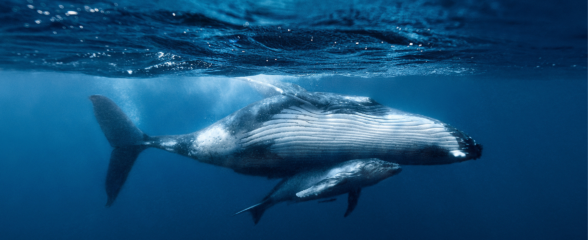
From a Whale’s Song to an Ocean’s Symphony: How AI Decodes Underwater Sound
Explore how SECOORA-funded research is using AI and machine learning to decode ocean soundscapes, detect boat noise, and support coral reef restoration efforts.