

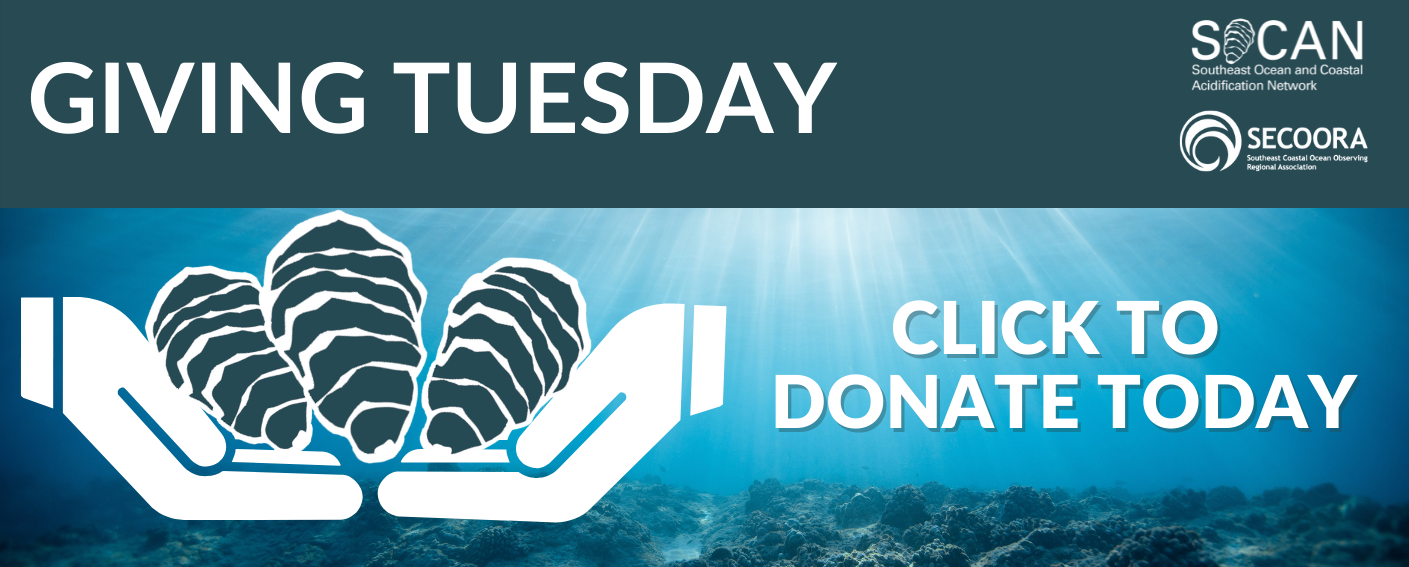
Giving Tuesday is right around the corner. This year SECOORA is teaming with the Southeast Ocean and Coastal Acidification Network (SOCAN).
All donations will be used to support SOCAN and help them advance their education and outreach efforts. SOCAN will develop materials to help communities gain a better understanding of the causes of acidification to reduce its impact on the coastal environments where people live, work, and play.
Supporting SOCAN
SOCAN is a virtual network of researchers and stakeholders with the common goal of advancing knowledge of ocean and coastal acidification in the Southeast. SOCAN stakeholders include citizen scientists, shellfish industry professionals, academics, professional researchers, and more.
Together, SOCAN and SECOORA are working to increase access to ocean and coastal acidification education and outreach materials.
How to Donate
SECOORA is a certified 501(3)c – all donations are tax deductible. In a few easy clicks you can donate to SECOORA and SOCAN online.
Thank you for your support!
Related news

Webinar | Powering Coastal Aquaculture: Demonstration of Paired Tidal Energy Harvesting and Water Quality Monitoring
Join us on October 20, 2026, at 11:00 AM ET to learn how a marine energy-powered sensor platform is helping North Carolina oyster farmers monitor water quality.
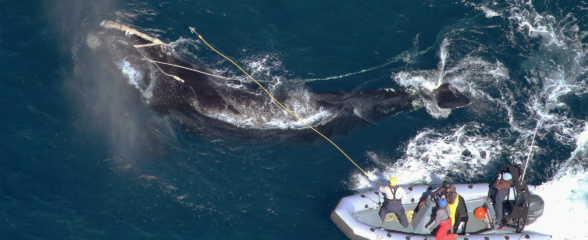
Saving the North Atlantic Right Whale: Underwater Gliders Join the Fight to Save a Species
Meet the SECOORA-funded scientists using underwater gliders and acoustic tech to protect critically endangered North Atlantic right whales.

Dave Wells Joins SECOORA as Ocean Observing Systems Team Lead
SECOORA welcomes Dave Wells as Ocean Observing Systems Team Lead where he will oversee SECOORA's coastal observing system assets and data management.