

SECOORA is proud to announce the winner of our curriculum request for proposals; Katy Smith from the University of Georgia Marine Extension and Georgia Sea Grant. The project, Water Shapes Our Planet and Our Lives, will construct a comprehensive fourth grade, virtual-learning science unit on the water cycle, weather, climate and natural processes that shape the Earth’s coasts and communities.
The science unit will provide a combination of innovative instructional technologies to enhance learning and engagement. Students will explore local weather, discover tools used by scientists to collect weather data, and evaluate long-term trends recorded by climate scientists. Lessons will be interdisciplinary and provide a foundation for teachers and students to engage in climate change conversations.
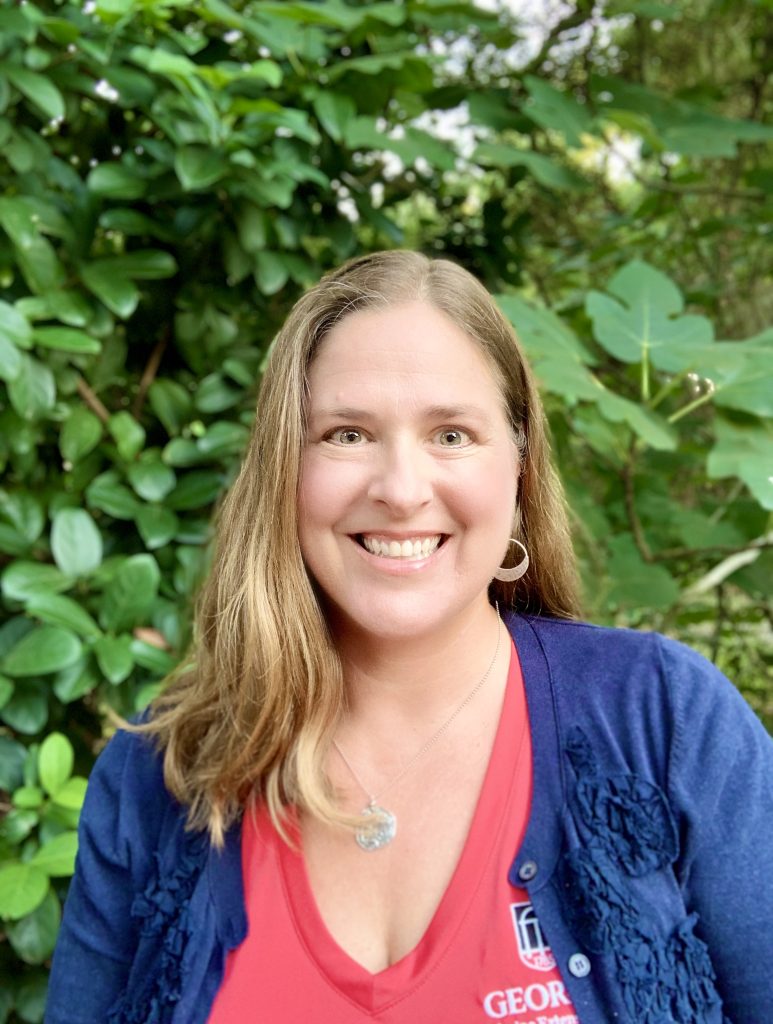
“Our team is excited for the opportunity to create virtual science lessons to help teachers and parents meet the educational needs of their children, while also preparing students to grasp one of today’s pressing environmental challenges—climate change. Our unit will connect fourth grade water, weather and climate science standards to ocean and climate literacy principles to spark discussions with youth about climate change and its consequences and solutions.” Katy Smith – University of Georgia Marine Extension and Georgia Sea Grant.
All materials will be available online as a teaching resource for both educators and families. Lessons will showcase hands-on activities using accessible materials and incorporate evaluation tools to help assess learning outcomes. Below is a summary of the lessons:
- Lesson 1: What Happens in the Water Cycle?
- Activity: Build a water cycle model
- Lesson 2: What is the Difference between Weather and Climate?
- Activities: Cloud in a jar (condensation); Rain cloud in a jar (precipitation)
- Lesson 3: What Tools are used to Measure the Weather?
- Activity: Build an anemometer
- Lesson 4: Watersheds and Wetlands – Humans depend on wetlands for clean water, biodiversity, and healthy ecosystems
- Activity: Crumpled paper watershed
- Lesson 5: Water Resources and Aquifers – Where does our drinking water come from?
- Activity: Build an aquifer model
- Lesson 6: Ocean Currents – Ocean currents drive weather and climate, and transfer energy, heat and food around the globe
- Activity: Underwater Fountain (a demonstration of upwelling)
- Final activity: Kids learn to communicate about climate change
If you have any questions, please email communications@secooraorgpact.wpengine.com.
Related news
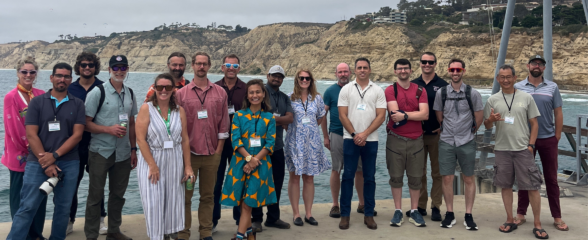
SECOORA Co-Hosts the 2026 WebCOOS Workshop In Person in La Jolla, CA
The 2026 WebCOOS Workshop convened in person on July 21-22, 2026 in La Jolla, CA. 45 attendees representing all 11 IOOS Regional Associations and national partners joined this collaborative workshop to discuss webcam-derived coastal products, stakeholder needs, and the network's transition into its next phase under IRA T2.

SET Webinar Series: Exploring Coastal Change: Digital Coast Resources
Join us on August 28, 2026, from 1:00 - 2:00 PM for the SECOORA SET Webinar Series, where we will explore coastal change using NOAA's Digital Coast resources. This webinar will bring together SET Community of Practice members and partners to learn how geospatial data and tools can support SET monitoring and place site-level observations within a broader landscape context.
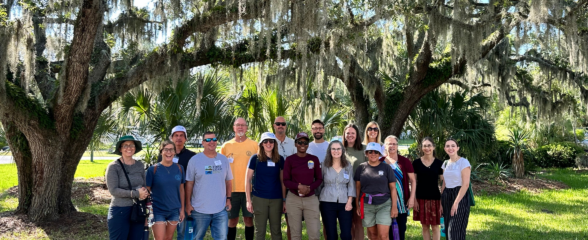
SECOORA Hosts the Second Surface Elevation Table (SET) Community of Practice Workshop In Person in Charleston
The 2nd SECOORA SET Workshop convened in person on July 16-17, 2026 in Charleston, SC. More than 30 Community of Practice members and stakeholders joined this collaborative workshop to discuss SET monitoring, coastal resilience, and data-driven decision making in the Southeast.