

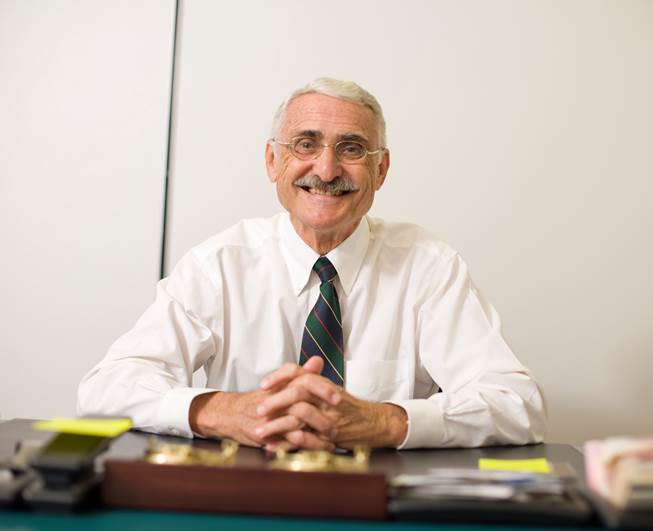
It is with a heavy heart we report George August Maul, a leader in oceanography and SECOORA, passed away Wednesday, September 16.
Dr. Maul was instrumental to the success of SECOORA. As a founding member, he brought not only expertise but an unfailingly kind and respectful demeanor. He helped lead SECOORA to where we are today – serving on our Board for a total of 12 years. During that time, he served as SECOORA chair, Treasurer and in other leadership roles.
Dr. Maul recognized the critical importance of investing in ocean monitoring to save lives. In 2016, Dr. Maul wrote a guest editorial in Florida Today about the importance of High Frequency Radar data for Coast Guard Search and Rescue missions. His editorial caught the attention of congressional leaders. As a result, Congressman Posey became an advocate for SECOORA and secured additional funding to install two High Frequency Radars to monitor ocean surface currents off the East coast of Florida.
On behalf of SECOORA members, SECOORA is making a donation to the Maul Family Student Scholar Award in Oceanology at the Florida Institute of Technology. If you are interested in donating, please mail a check to Office of Development, Florida Institute of Technology, 150 W. University Blvd., Melbourne 32901 with the attention “Maul Family Student Scholar Award in Oceanology”.
Related news

Above the High Tide: Water Level Sensors on the Front Line
SECOORA's Southeast Water Level Network has installed 100+ sensors across the Carolinas, Georgia, and Florida, giving communities real-time flood data.
SECOORA is Hiring a Grants Manager
SECOORA is hiring a Grants Manager to lead grant and subaward management across a four-state coastal ocean observing network. Based in the Southeast US. Apply now.

Meet the new 2026 SECOORA Board Members
SECOORA welcomes three new members to its Board of Directors, effective July 1, 2026 - bringing fresh expertise in marine science, coastal geomorphology, and ecosystem restoration to guide our work across the Southeast.