


Date: Tuesday – November 28, 2017
Time: 12:00 – 1:00 PM ET
Speakers: Debra Hernandez, SECOORA; Mark Willis, Surfline; Joseph Long, USGS; Dwayne Porter, USC, Greg Dusek, NOAA NOS
Abstract
Web cameras are transforming how environmental monitoring is conducted. Video data is being used for applications related to transportation and commerce, preparedness and risk reduction, and stewardship of coastal resources.
The NOS Web Camera Applications Testbed (WebCAT) is a one year project that is installing web cameras in five locations for various purposes – counting right whales, spotting rip currents, validating wave run up models, understanding human use of natural resources and more. This unique project is a public-private partnership leveraging the expertise and capabilities of private, nonprofit and public sectors.
Related news
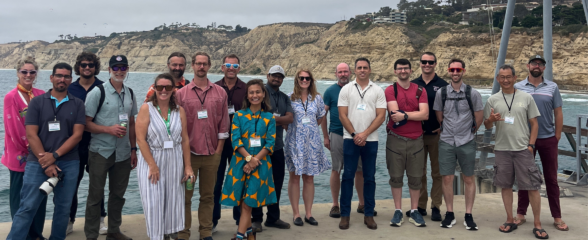
SECOORA Co-Hosts the 2026 WebCOOS Workshop In Person in La Jolla, CA
The 2026 WebCOOS Workshop convened in person on July 21-22, 2026 in La Jolla, CA. 45 attendees representing all 11 IOOS Regional Associations and national partners joined this collaborative workshop to discuss webcam-derived coastal products, stakeholder needs, and the network's transition into its next phase under IRA T2.

SET Webinar Series: Exploring Coastal Change: Digital Coast Resources
Join us on August 28, 2026, from 1:00 - 2:00 PM for the SECOORA SET Webinar Series, where we will explore coastal change using NOAA's Digital Coast resources. This webinar will bring together SET Community of Practice members and partners to learn how geospatial data and tools can support SET monitoring and place site-level observations within a broader landscape context.
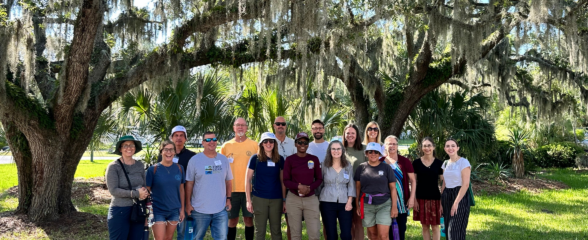
SECOORA Hosts the Second Surface Elevation Table (SET) Community of Practice Workshop In Person in Charleston
The 2nd SECOORA SET Workshop convened in person on July 16-17, 2026 in Charleston, SC. More than 30 Community of Practice members and stakeholders joined this collaborative workshop to discuss SET monitoring, coastal resilience, and data-driven decision making in the Southeast.