

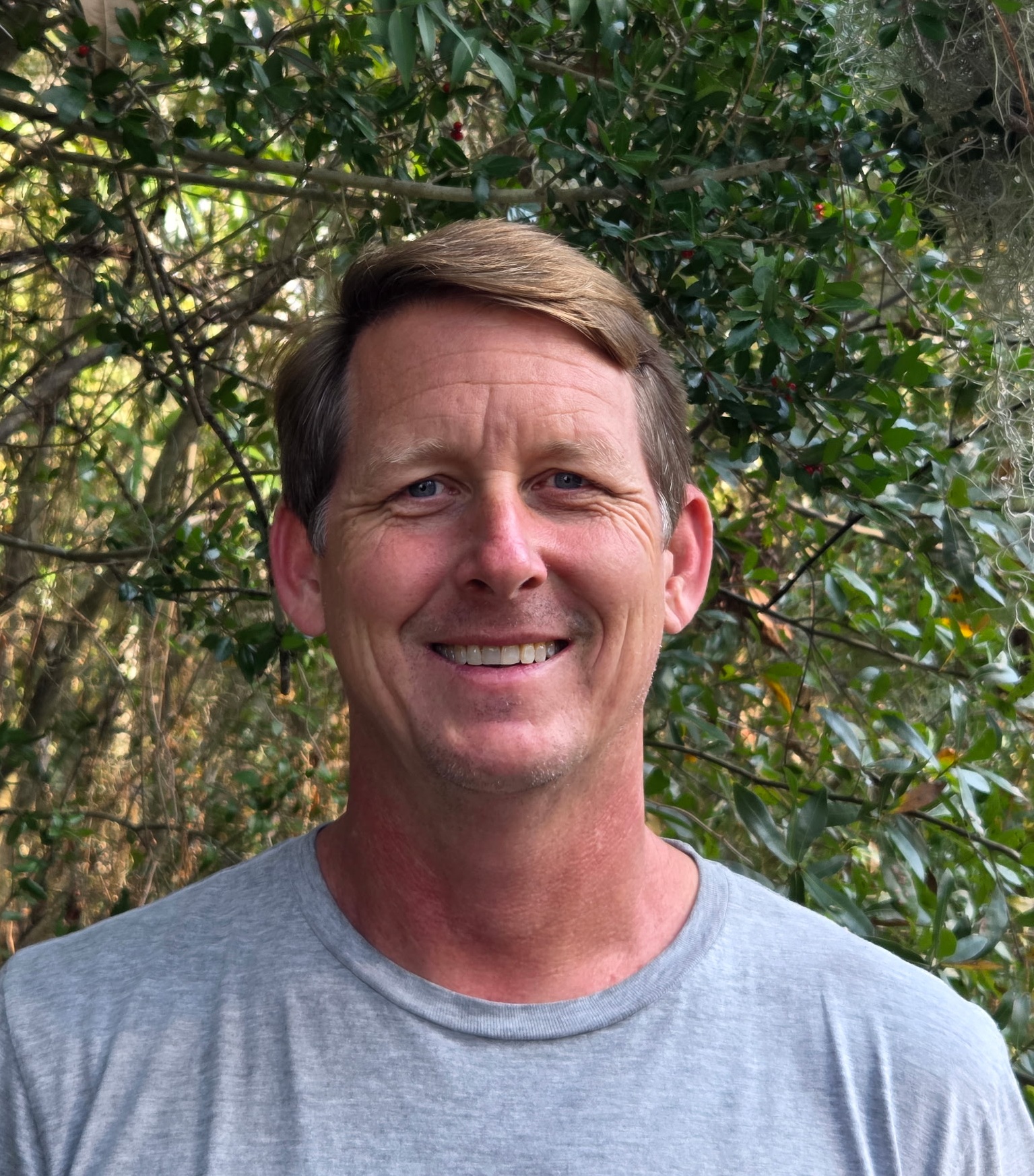
SECOORA is pleased to welcome Dave Wells as Ocean Observing Systems Team Lead. In this role, Dave will oversee SECOORA’s coastal observing system assets along with the data management and quality control systems.
Prior to joining SECOORA, Dave served as Oceanographic Instrumentation Specialist at the UNCW Center for Marine Science where he provided technical support to faculty, staff and students across all marine science disciplines. Before that, he spent 10 years with the Coastal Ocean Research and Monitoring Program (CORMP) leading both offshore sampling cruises and buoy and mooring operations in North Carolina and South Carolina. His work has taken him from the coral reefs of the Florida Keys to the seagrass meadows of North Carolina and as far away as the ice floes of the Fram Strait. More recently, he has been involved in installation and maintenance of webcams and water level sensors as part of the WebCOOS and Southeast Water Level Network initiatives.
After participating in SECOORA funded projects for years, I’m excited to contribute to coastal ocean observing and data management efforts in support of SECOORA’s mission and their stakeholders.
– Dave Wells, SECOORA Ocean Observing Systems Team Lead
Dave has B.S. and M.S. degrees in Marine Biology from UNCW and an A.A.S. in Electronics Engineering from Cape Fear Community College. In his free time, he enjoys spending time with his family, being outdoors, and fixing anything that’s broken.
Related news

Dave Wells Joins SECOORA as Ocean Observing Systems Team Lead
SECOORA welcomes Dave Wells as Ocean Observing Systems Team Lead where he will oversee SECOORA's coastal observing system assets and data management.
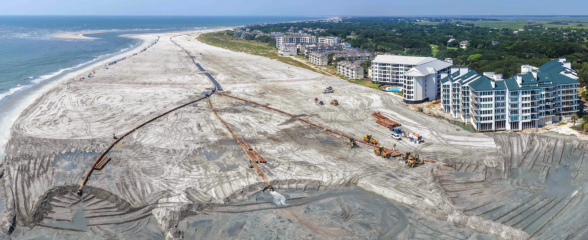
At the Water’s Edge: Lowcountry Coastlines in a Brave New World
A nor'easter's record storm tide. A stalled tropical storm. Two Lowcountry towns adapting to a new era of flooding, with SECOORA data in hand.

Above the High Tide: Water Level Sensors on the Front Line
SECOORA's Southeast Water Level Network has installed 100+ sensors across the Carolinas, Georgia, and Florida, giving communities real-time flood data.