

President Biden Proposes Significant Budget Cuts to IOOS for 2025
President Biden’s recent 2025 budget proposal slashed the funding allocated for the Integrated Ocean Observing System (IOOS) by 76%, which would effectively shut down coastal and ocean observing efforts.
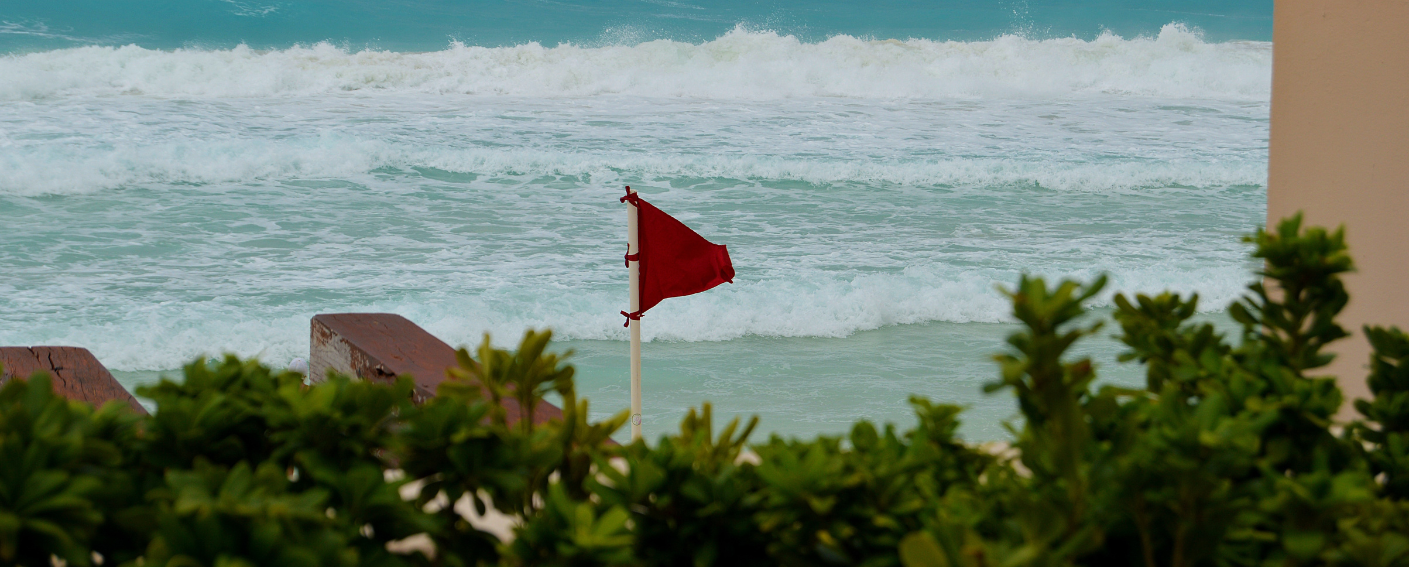
President Biden’s recent budget proposal slashed the funding allocated for the Integrated Ocean Observing System (IOOS) by 76%, offering a meager $10 million as opposed to the 2024 allocation of $42.5 million.
These cuts would be detrimental to coastal and ocean observing, rendering SECOORA and the other IOOS regional associations unable to maintain operations. The inability to maintain infrastructure would halt the inflow of data, setting the Southeast back in the race to understand hurricane intensification, harmful algal bloom causes, and rapid sea level rise.
One important observing avenue that would be impacted is the water level network, which involves the installment and maintenance of water level sensors that are crucial for communities to monitor flooding and plan their emergency response.
Two new water level sensors have been installed in Beaufort County, North Carolina, which is an area that is often impacted by flooding. “Having water level monitoring stations in Beaufort County is one of the most critical things we can do to prepare our coastal communities,” DC Linton with Beaufort County Emergency Services in North Carolina states. “This is an avenue of information that the citizens can see and be alerted on. As a result, these monitors can offer communities the tools to prepare and plan for such incidents in advance. This will strengthen the resiliency of these communities to such impacts in the future.”
SECOORA is working to highlight the impacts of the President’s budget proposal and underscore the need to fund IOOS at the necessary level to maintain and expand the crucial coastal and ocean observing services provided by the program. If you are in a position to speak on behalf of SECOORA and IOOS as a whole, there are a few options for how you can help:
- Sign on to this letter of support that demonstrates your support for IOOS (including SECOORA). This letter does not mention a specific funding level request, therefore this is not lobbying (deadline April 25).
- If you are in a position to advocate for funding, there is a letter that advocates for increased funding for IOOS (deadline April 25).
- Connect us with stakeholders who could provide examples of the value of SECOORA’s work by writing a letter of support or sending an email to key Congressional offices.
Email us (communications@secoora.org) if you would like more information or would like to be connected with a Congressional Representative in your region to offer words of support.
Related news
Saving the North Atlantic Right Whale: Underwater Gliders Join the Fight to Save a Species
Meet the SECOORA-funded scientists using underwater gliders and acoustic tech to protect critically endangered North Atlantic right whales.

Dave Wells Joins SECOORA as Ocean Observing Systems Team Lead
SECOORA welcomes Dave Wells as Ocean Observing Systems Team Lead where he will oversee SECOORA's coastal observing system assets and data management.
At the Water’s Edge: Lowcountry Coastlines in a Brave New World
A nor'easter's record storm tide. A stalled tropical storm. Two Lowcountry towns adapting to a new era of flooding, with SECOORA data in hand.