

Laura Korman is the Program Coordinator for SECOORA, leading product development efforts, advancing SECOORA’s new water level initiative, and managing some of SECOORA’s affiliate programs and projects such as the Southeast Coastal and Ocean Acidification Network (SOCAN), the regional ocean data sharing initiative and the Southeast and Caribbean Disaster Resilience Partnership (SCDRP).
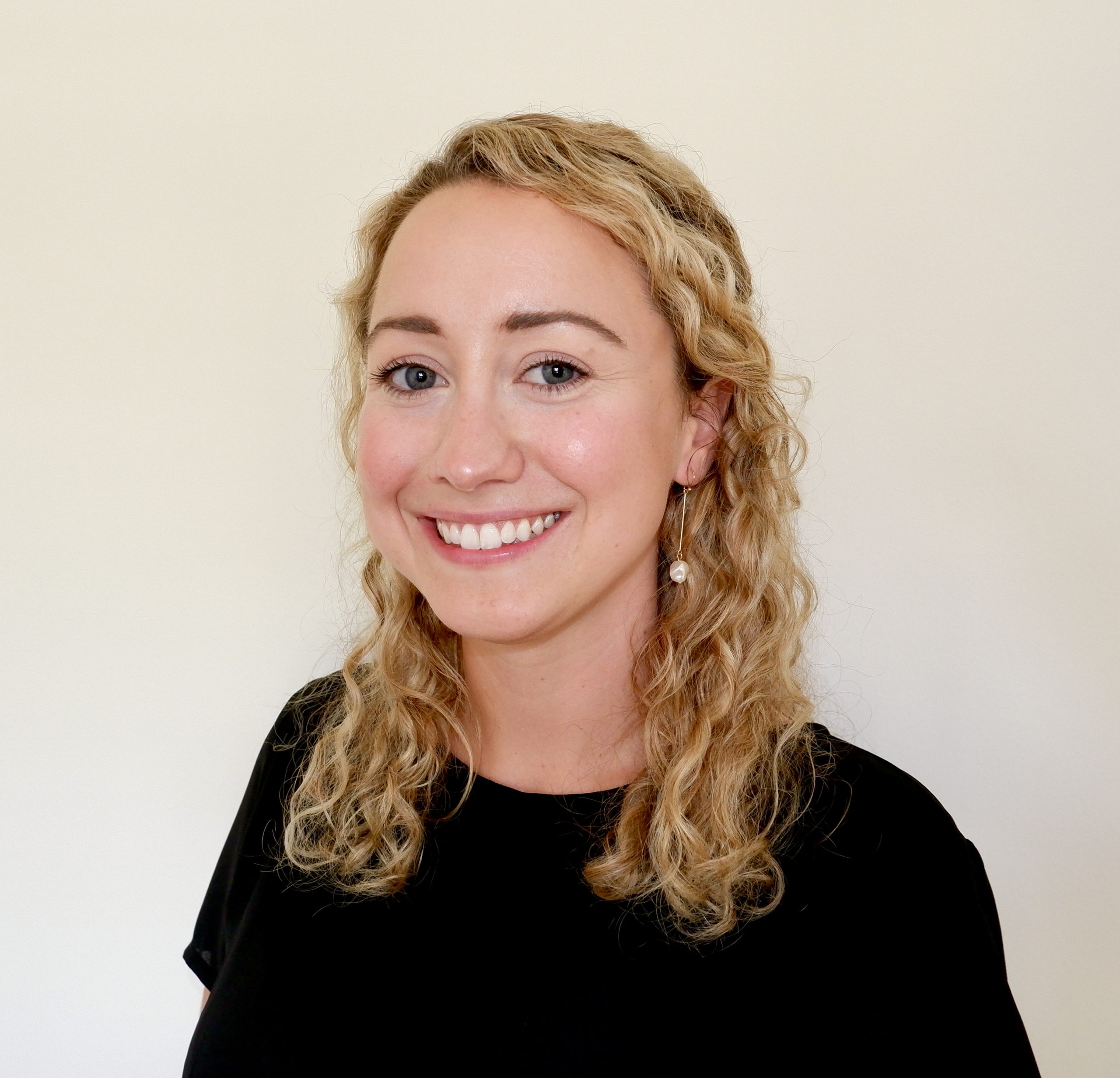
Within SECOORA, she will also support our expanding organizational and outreach work through content development, meeting planning assistance, and related duties.
Laura earned her Bachelor of Arts in Environmental Studies from the University of Colorado. After graduating Laura went on to earn her Master’s in Environmental Science from Villanova University, where she studied the implications of coastal land use on nearshore coral reefs in Puerto Rico.
Professionally, Laura has served as an Environmental Scientist and Program Manager for California’s Environmental Protection Agency. Laura has managed over $2 million in state contracting funds and coordinated with federal partners to protect Lake Tahoe’s water quality.
Laura brings a diverse background in water quality preservation, stakeholder engagement, and coastal conservation to SECOORA. Laura and her fiancé Alex live on Amelia Island, Florida with their puppy, Poppy.
Related news

Reimagining the Deep: BioTrack and the Whitespotted Eagle Rays of Florida’s Indian River Lagoon
Join FAU researchers as they track endangered whitespotted eagle rays in Florida’s Indian River Lagoon using advanced BioTrack acoustic and video tags.
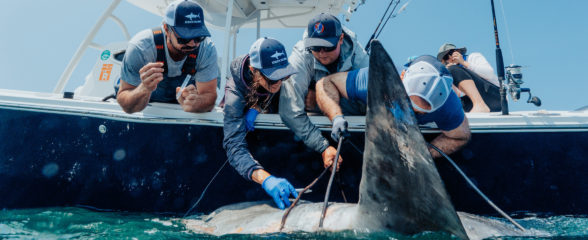
Reimagining the Deep: BioTrack’s Quest to Map Marine Biodiversity Hotspots
Discover how the BioTrack initiative uses advanced satellite and acoustic animal tracking to map marine biodiversity hotspots and protect endangered wildlife.
SECOORA Is Ready for the 2026 Hurricane Season
Hurricane season is here and SECOORA’s resources are available to help you stay informed. From real-time buoy data and live webcam feeds to ocean gliders and storm surge models, our network of observing systems is ready to support forecasters, emergency managers, researchers, and coastal communities throughout the Southeast.