

Meet the Recipients for the 2026 Vembu Subramanian Ocean Scholars Award
Meet the 2026 Vembu Subramanian Ocean Scholars! This year’s scholars will attend the 2026 SECOORA Annual Meeting in Atlantic Beach, NC, where they will be paired with experienced mentors who will help support networking, career conversations, and connections within our community.

SECOORA is excited to announce the 2026 recipients of the Vembu Subramanian Ocean Scholars Award. Established in remembrance of Vembu Subramanian—our friend, colleague, and former SECOORA Data Manager—the award supports the next generation of ocean professionals through mentorship, networking, and meaningful engagement with the ocean observing community.
The scholars will join us at our 2026 SECOORA Annual Meeting in Atlantic Beach, NC. During the meeting, they will be paired with mentors from the SECOORA membership who will help support networking, career conversations, and connections within our community.
We are proud to support these students and early career ocean professionals. Meet the 2026 Vembu Subramanian Ocean Scholars:
Hayden Dunning, University of South Carolina Beaufort
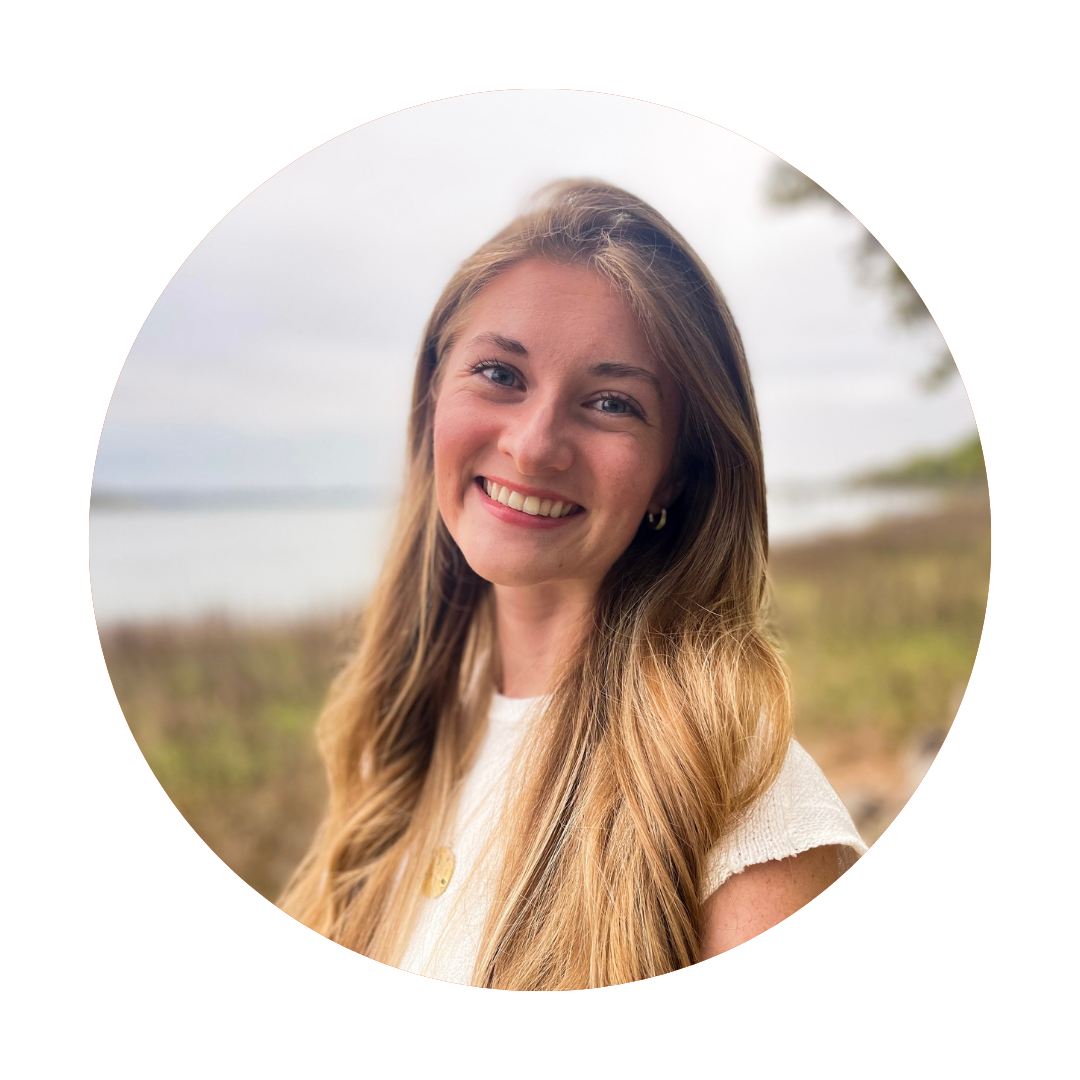
As a native of Beaufort, SC, Hayden has grown up in and around the salt marshes of the Lowcountry and is passionate about coastal conservation. She has cultivated this passion further through her time at the University of South Carolina Beaufort, where she studies Coastal Ecology & Conservation as a member of the Honors Biology Program. For the past three years, Hayden has conducted research on estuarine soundscapes alongside her mentor, Dr. Eric Montie, as a part of NOAA’s Integrated Ocean Observing System under SECOORA. Her work focuses on the impacts of anthropogenic noise on fish behavior, and she plans to continue her research through a future master’s in computational science. Hayden looks forward to attending the 2026 SECOORA Annual Meeting and gaining valuable insight from her Vembu mentor, and networking with other professionals in her field.
“I am so grateful to have received the Vembu Ocean Scholars Award! This award has allowed me to pursue critical networking and educational opportunities that I would never have been able to otherwise. I look forward to the 2026 SECOORA Annual Meeting and all the opportunities it holds!”
— Hayden Dunning, undergraduate at University of South Carolina Beaufort
Marcus Cote, Florida Institute of Technology
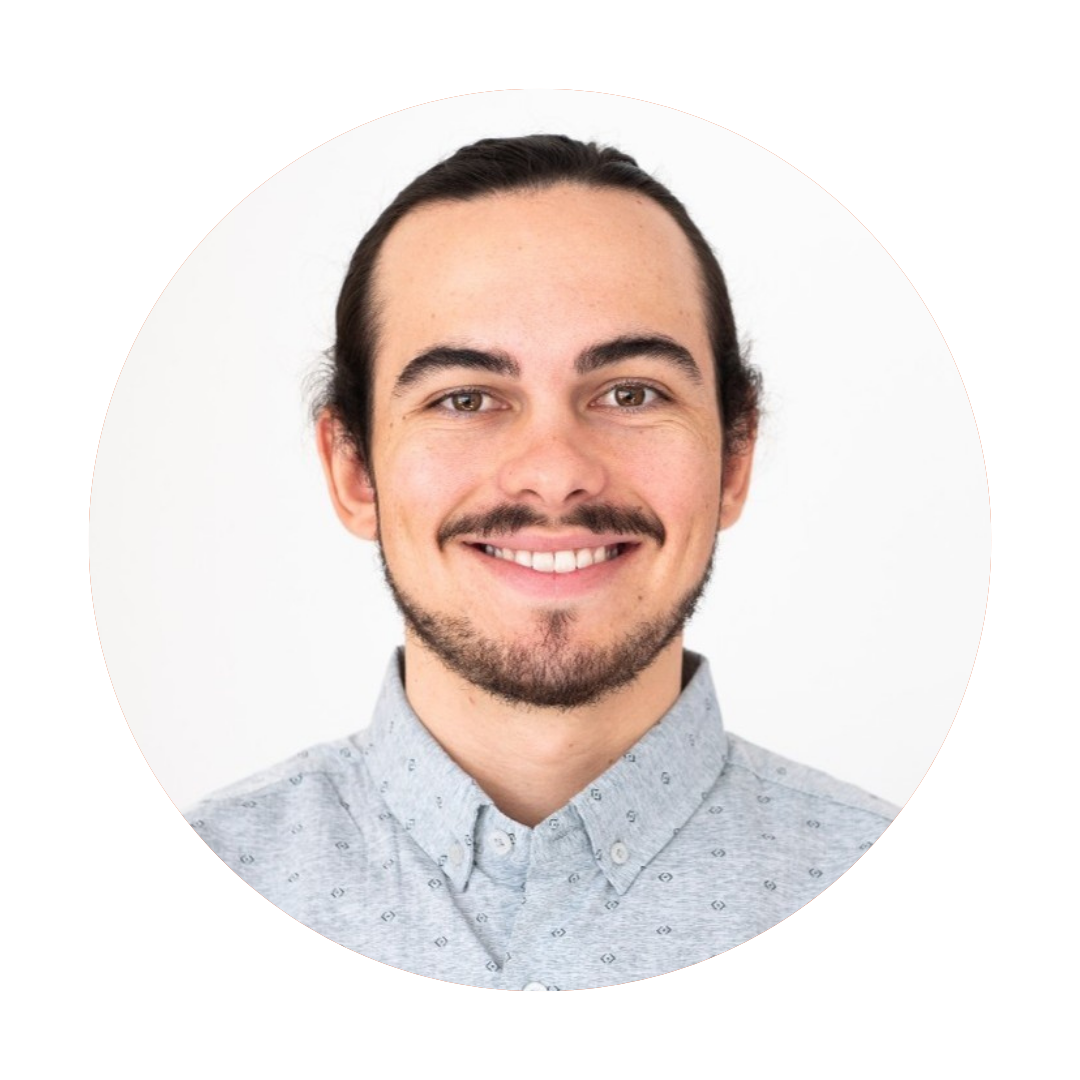
Marcus is a Research Associate at Florida Institute of Technology, where he supports coastal ocean observing using high-frequency (HF) radar systems along Florida’s east coast. His work includes system operations and maintenance, data product development, and direct stakeholder engagement to refine how products are used in practice, helping translate coastal observations into actionable value. He also supports outreach efforts that connect ocean observing with students, researchers, and coastal decision-makers. He recently completed his Ph.D. in Environmental Science (Meteorology) at Florida Tech, where his FAA-funded research applied machine learning to improve aviation weather safety by automating hazard detection using webcams.
“I am honored to receive this award and grateful for the opportunity to attend the SECOORA Annual Meeting. It will be a great chance to connect in person with colleagues I’ve worked with remotely, share perspectives on the HF radar systems I help operate, and better understand how this work supports the broader coastal observing community.”
— Marcus Cote, early career professional at Florida Institute of Technology
Linda Hargrove, North Carolina State University

Linda Hargrove grew up in northeastern North Carolina near the Outer Banks. After many years working as an environmental engineer for the state, she transitioned into engineering education. Her graduate research focuses on sustainable aquaponics in coastal regions.
“I am incredibly honored to receive the 2026 Vembu Subramanian Ocean Scholars Award. As an environmental engineer, educator, and lifelong North Carolinian, I look forward to expanding my perspective on the coastal issues shaping the communities and ecosystems I care deeply about.”
— Linda Hargrove, PhD student at the North Carolina State University
Related news
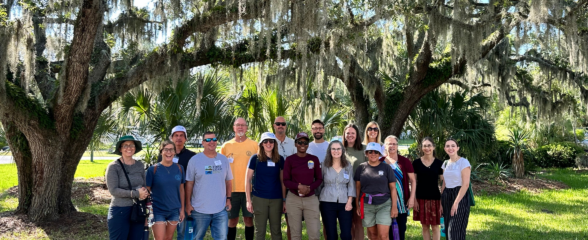
SECOORA Hosts the Second Surface Elevation Table (SET) Community of Practice Workshop In Person in Charleston
The 2nd SECOORA SET Workshop convened in person on July 16-17, 2026 in Charleston, SC. More than 30 Community of Practice members and stakeholders joined this collaborative workshop to discuss SET monitoring, coastal resilience, and data-driven decision making in the Southeast.
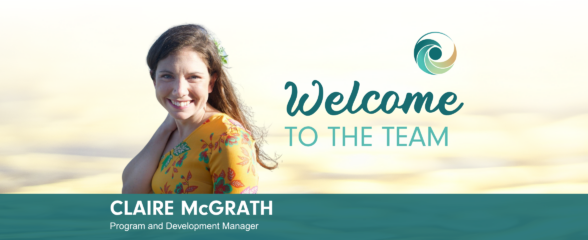
Claire McGrath Joins SECOORA as Program and Development Manager
SECOORA welcomes Claire McGrath as Program and Development Manager, supporting the Southeast & Caribbean Coastal Disaster Resilience Partnership and membership growth.

Spotlight: Mobilizing to Save Florida’s Coral Reefs
Learn how scientists are racing to save Florida's Coral Reef through coral rescue, gene banking, reef restoration, and innovative conservation efforts after disease and marine heatwaves devastated one of America's most important marine ecosystems.