

SECOORA, US IOOS and University of South Florida College of Marine Science (USF CMS) hosted two interns over the summer. Under the mentorship of Dave Easter (US IOOS), Jay Law (USF CMS) and Vembu Subramanian (SECOORA), the undergraduate students learned hands-on the importance of coastal ocean observing.
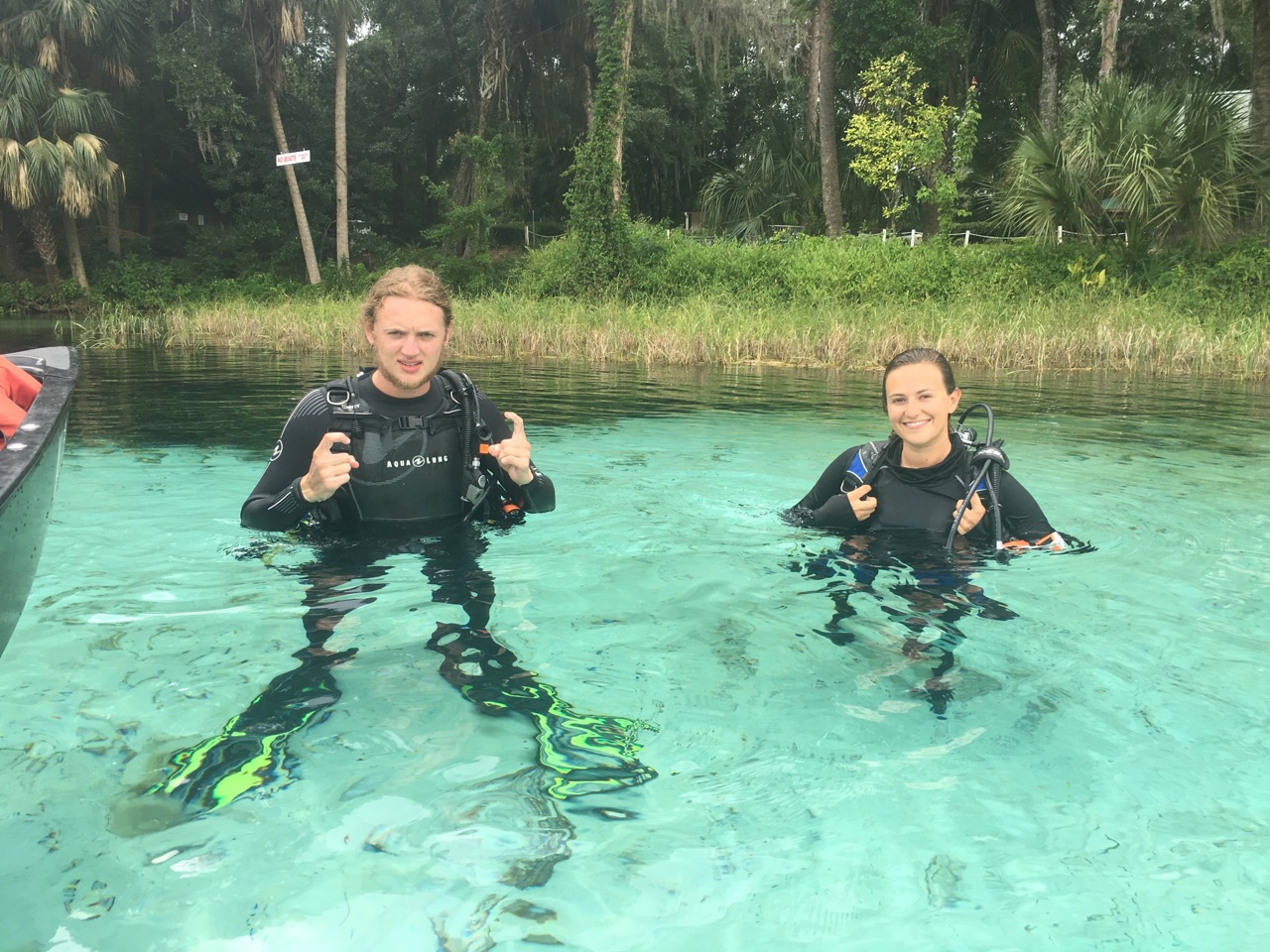
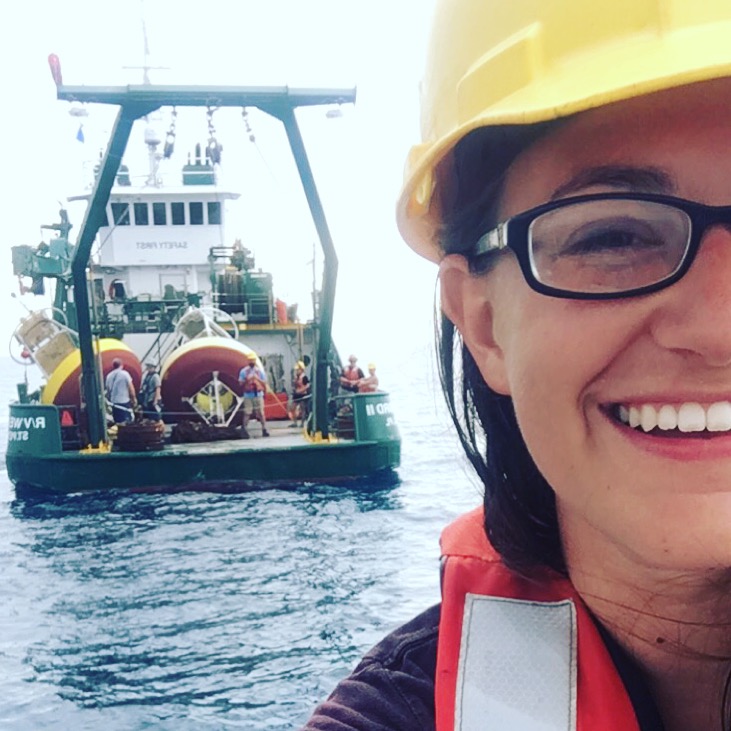
Julianna Diehl, an undergraduate student at the Maine Maritime Academy, completed her project titled, “Deploying Buoys to Monitor and Model Circulation on the West Florida Shelf.” Juliana worked with USF Ocean Circulation Group gained experience setting up instrumentation, outfitting moorings for deployment, and creating cruise and dive plans. Juliana executed those plans as Chief Scientist on board the R/V Weatherbird II during an annual mooring maintenance cruise.
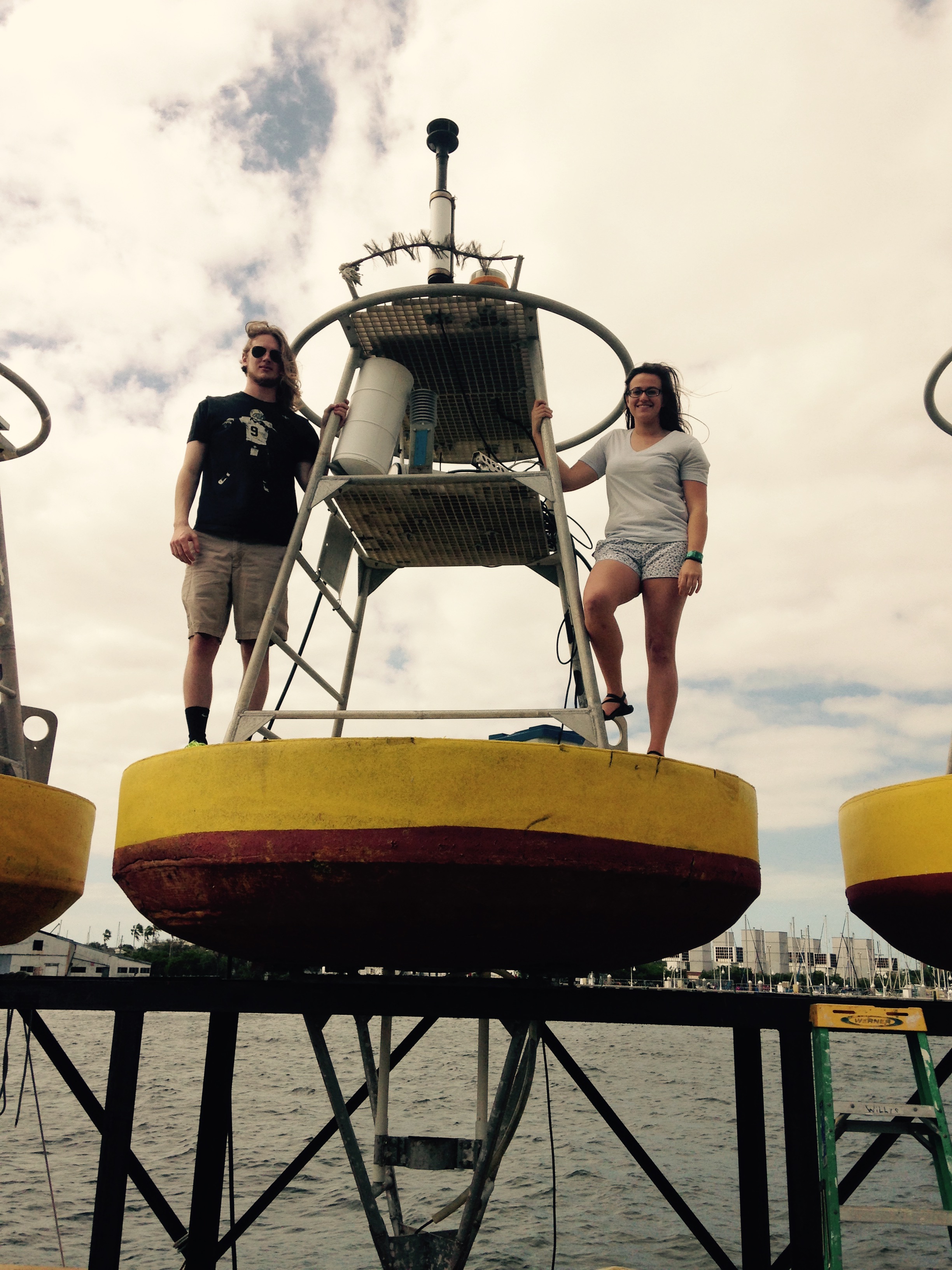
Andrew Reid, an undergraduate student at East Carolina University, completed his project, “Ocean Observing and Ocean Acidification in the Coastal Ocean.” Andrew executed deployment of state of the art ocean acidification sensors on an existing ocean-atmosphere research mooring in the Gulf of Mexico. Utilizing the USF Coastal Ocean Monitoring and Prediction System field program funded by SECOORA, Andrew assisted and took a lead role in the planning, execution and recovery of pH and dissolved inorganic carbon sensors.
Thank you to Jay Law at USF CMS Coastal Ocean Monitoring & Prediction System for his efforts in mentoring the interns. Julianna and Andrew were participating in the NOAA Office of Education’s Ernest F. Hollings Scholarship Program. Below are some photos from the internship.
—
Images credit: Jay Law, USF CMS
Related news

Dave Wells Joins SECOORA as Ocean Observing Systems Team Lead
SECOORA welcomes Dave Wells as Ocean Observing Systems Team Lead where he will oversee SECOORA's coastal observing system assets and data management.
At the Water’s Edge: Lowcountry Coastlines in a Brave New World
A nor'easter's record storm tide. A stalled tropical storm. Two Lowcountry towns adapting to a new era of flooding, with SECOORA data in hand.

Above the High Tide: Water Level Sensors on the Front Line
SECOORA's Southeast Water Level Network has installed 100+ sensors across the Carolinas, Georgia, and Florida, giving communities real-time flood data.