

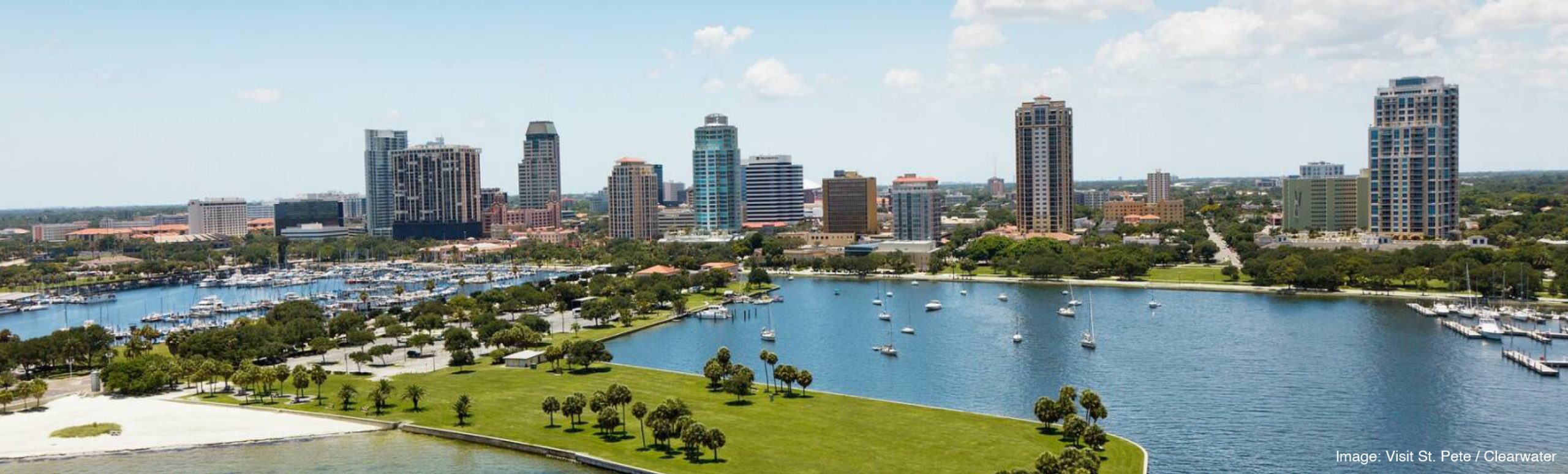
Thank you to everyone who tuned in or attended for SECOORA’s Meeting in St. Petersburg, FL on December 2-3, 2021. The meeting focused on harmful algal blooms, DEI (Diversity, Equity, and Inclusion), and SECOORA programmatic updates.
Meeting Materials and Presentations
- Agenda
- Speaker Biographies
- Presentations
- US Integrated Ocean Observing System (IOOS) – Carl Gouldman, US IOOS
- IOOS Association Updates – Josie Quintrell, IOOS Association
- SECOORA Updates – Debra Hernandez, SECOORA
- SECOORA HAB Plan – Laura Korman, SECOORA
- National Perspective on HAB Observing – Quay Dortch, NOAA National Centers for Coastal Ocean Science
- US HABs and Syndromes – Kate Hubbard, FWC Florida Wildlife Research Institute
- Toxic Algal Blooms in North Carolina Waters – Astrid Schnetzer, North Carolina State University
- Satellite Tracking of Sargassum in the Atlantic, Caribbean and Gulf of Mexico – Joaquin Tinanes, NOAA Atlantic Oceanographic and Meteorological Laboratory
- DEI Session Overview – Debra Hernandez, SECOORA
- IOOS DEI Fellowship – Josie Quintrell, IOOS Association
- Mote’s Marine Science Laboratory Alliance Center of Excellence (MarSci-LACE) – Aly Busse, Mote Marine Laboratory
- Sea Grant’s DEIJA Community of Practice – Mona Behl, Georgia Sea Grant
- CERF Rising TIDES & SEAS Islands Alliance Project – Susan Park, Coastal and Estuarine Research Federation
Meeting Sponsor

Related news

Dave Wells Joins SECOORA as Ocean Observing Systems Team Lead
SECOORA welcomes Dave Wells as Ocean Observing Systems Team Lead where he will oversee SECOORA's coastal observing system assets and data management.
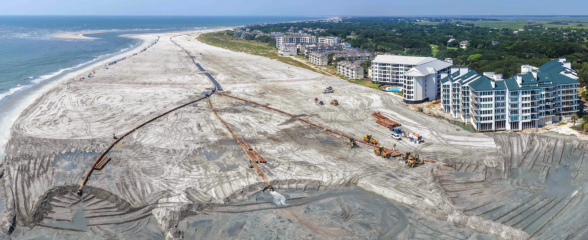
At the Water’s Edge: Lowcountry Coastlines in a Brave New World
A nor'easter's record storm tide. A stalled tropical storm. Two Lowcountry towns adapting to a new era of flooding, with SECOORA data in hand.

Above the High Tide: Water Level Sensors on the Front Line
SECOORA's Southeast Water Level Network has installed 100+ sensors across the Carolinas, Georgia, and Florida, giving communities real-time flood data.