

SECOORA Is Ready for the 2026 Hurricane Season
Hurricane season is here and SECOORA’s resources are available to help you stay informed. From real-time buoy data and live webcam feeds to ocean gliders and storm surge models, our network of observing systems is ready to support forecasters, emergency managers, researchers, and coastal communities throughout the Southeast.
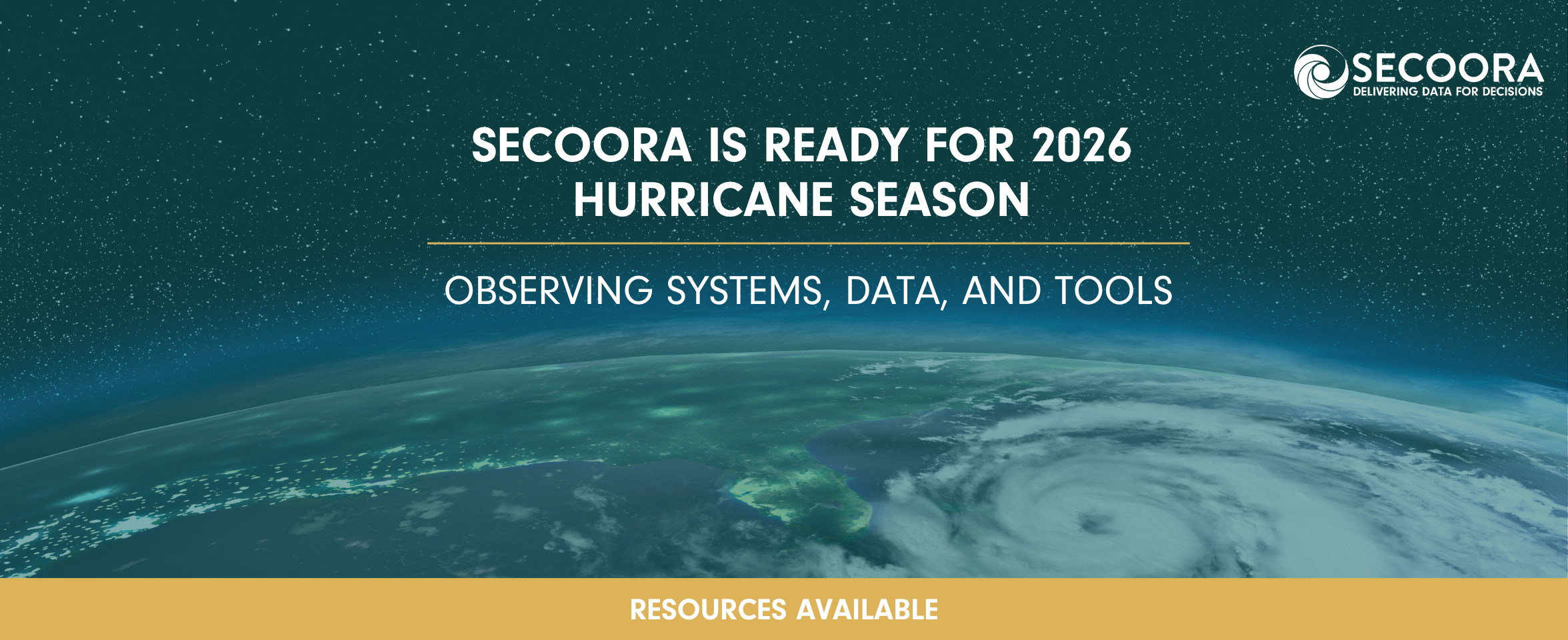
Hurricane Season Kick Off
Hurricane season officially began June 1, and across the Southeast, SECOORA’s observing network is up and running. SECOORA plays a supporting role to NOAA’s National Hurricane Center and local National Weather Service offices, the trusted experts in storm notification, by providing real-time data during storms which helps make weather forecasts better. This enables communities to have the information they need to prepare and recover.
Our work during hurricane season centers on four core areas: quality controlling weather and sea state data and making it freely available, providing data to inform and verify forecasts, amplifying the communications of NOAA and key emergency managers, and offering educational resources to help communities become more prepared.
As we saw with Hurricane Helene in September 2024, even inland communities in our region can face severe impacts from hurricanes. The data and information we provide, made possible through NOAA funding and in partnership with leading researchers across the Southeast, is vitally important throughout the region.
A Full Hurricane Resource Page – All in One Place
SECOORA has assembled a dedicated Hurricane Resources page bringing together the tools, data, and partner resources you need before, during, and after a storm. Resources are organized into four categories:
SECOORA and Member Data – Real-time data from our network of buoys, webcams, water level stations, and gliders, including the SECOORA Data Portal, WebCOOS camera feeds, Southeast Water Level Network, and our Eyes on the Storm product, which aggregates sensor data from within 50 miles of a storm’s path and displays peak wind speeds, wave heights, and barometric pressure readings.
Hurricane Tracking – Links to NOAA’s National Hurricane Center, GOES satellite imagery, nowCOAST mapping tools, and additional real-time guidance.
Storm Surge, Flooding, and Coastal Change – Tools including USGS flood sensors, ADCIRC-based surge models, and North Carolina’s FIMAN flood inundation mapping system.
IOOS Regional Associations – Resources from our fellow regional observing associations, including MARACOOS, GCOOS, and CariCOOS.
Learn More: Hurricane Season Webinar Now Available to Watch
On May 6, SECOORA hosted a webinar exploring how our observing systems, data, and tools support hurricane forecasting and coastal decision-making across the Southeast. If you missed it, the recording is now available online.
Our speakers brought deep expertise on exactly how these systems perform when it matters most:
- Greg Dusek, Dusek Coastal Science & Consulting
- Catherine Edwards, UGA Skidaway Institute of Oceanography
- Lynn Leonard, University of North Carolina Wilmington
- Debra Hernandez, SECOORA
From gliders and buoys to water level stations and web cameras, these systems provide real-time information that helps forecasters, emergency managers, researchers, and communities prepare and act with confidence.
Learn More: Hurricane Season Webinar Now Available to Watch
As we head deeper into the busy summer months and hurricane season, having access to reliable, real-time coastal data is critical for marine safety, emergency management, and coastal forecasting.
SECOORA partners with regional institutions to maintain extensive arrays of offshore buoys and coastal stations that stream live meteorology and oceanographic conditions. You can monitor live winds, waves, temperatures, and water levels directly through these tracking tools.
Monitor Live Conditions
Carolinas & East Florida: Access real-time data and tracking maps from the University of North Carolina Wilmington’s Coastal Ocean Research and Monitoring Program.
West Florida & Gulf Coast: Track coastal flooding, currents, and weather conditions from the University of South Florida’s Coastal Ocean Monitoring Prediction System.
Stay Connected This Season
SECOORA will continue sharing storm updates, data highlights, and resources throughout hurricane season. Follow us on social media and bookmark our Hurricane Resource page so you’re ready when it matters most.
Related news
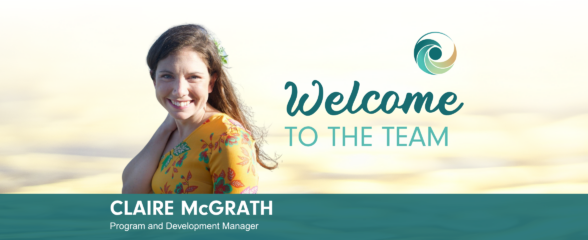
Claire McGrath Joins SECOORA as Program and Development Manager
SECOORA welcomes Claire McGrath as Program and Development Manager, supporting the Southeast & Caribbean Coastal Disaster Resilience Partnership and membership growth.

Spotlight: Mobilizing to Save Florida’s Coral Reefs
Learn how scientists are racing to save Florida's Coral Reef through coral rescue, gene banking, reef restoration, and innovative conservation efforts after disease and marine heatwaves devastated one of America's most important marine ecosystems.
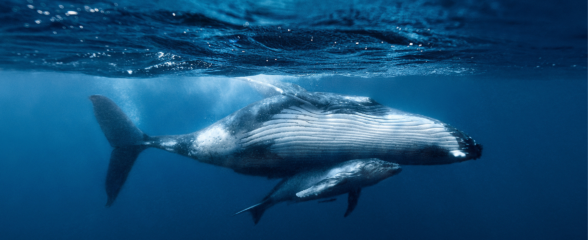
From a Whale’s Song to an Ocean’s Symphony: How AI Decodes Underwater Sound
Explore how SECOORA-funded research is using AI and machine learning to decode ocean soundscapes, detect boat noise, and support coral reef restoration efforts.