


Emily Noakes has joined SECOORA for the Fall 2022 semester as our Communications Intern. Emily will create content for the website and learn about scientific writing and communications. Emily is currently a graduate student at the University of Georgia pursuing a Master of Natural Resources degree with an Area of Emphasis in Fisheries Science. She hopes to utilize this degree and her experiences to enter the field of marine conservation, specifically through outreach and communications.
“I am excited to learn about scientific communication through this internship and meet a variety of talented research scientists and communicators.” – Emily Noakes, SECOORA Communications Intern
Emily also spends her time as a Program Assistant at Sandy Creek Nature Center in Athens, Georgia. She plans, organizes, and leads educational programs, while also assisting with outreach events and participating in animal husbandry.
SECOORA is excited to have Emily help us share how stakeholders and scientists are using SECOORA-supported observations, data, and products.
Related news

SET Webinar Series: Exploring Coastal Change: Digital Coast Resources
Join us on August 28, 2026, from 1:00 - 2:00 PM for the SECOORA SET Webinar Series, where we will explore coastal change using NOAA's Digital Coast resources. This webinar will bring together SET Community of Practice members and partners to learn how geospatial data and tools can support SET monitoring and place site-level observations within a broader landscape context.
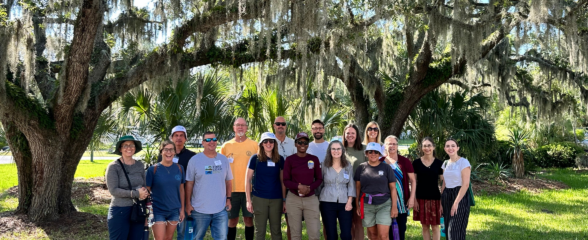
SECOORA Hosts the Second Surface Elevation Table (SET) Community of Practice Workshop In Person in Charleston
The 2nd SECOORA SET Workshop convened in person on July 16-17, 2026 in Charleston, SC. More than 30 Community of Practice members and stakeholders joined this collaborative workshop to discuss SET monitoring, coastal resilience, and data-driven decision making in the Southeast.
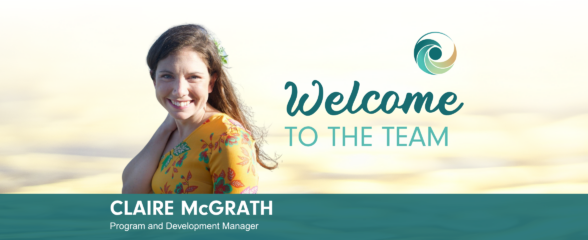
Claire McGrath Joins SECOORA as Program and Development Manager
SECOORA welcomes Claire McGrath as Program and Development Manager, supporting the Southeast & Caribbean Coastal Disaster Resilience Partnership and membership growth.