

Longtime SECOORA Partner USF College of Marine Science Begins Recovery Efforts After Fire
Following the recent fire at the University of South Florida College of Marine Science, SECOORA is focused on supporting our partners and highlighting the importance of critical observing systems and maintaining the flow of coastal data. USF CMS plays an important role in delivering coastal data and observations that support communities across the Gulf and Southeast.
Written by Zoraida Díaz
Fire Severely Damages Historic Marine Science Building
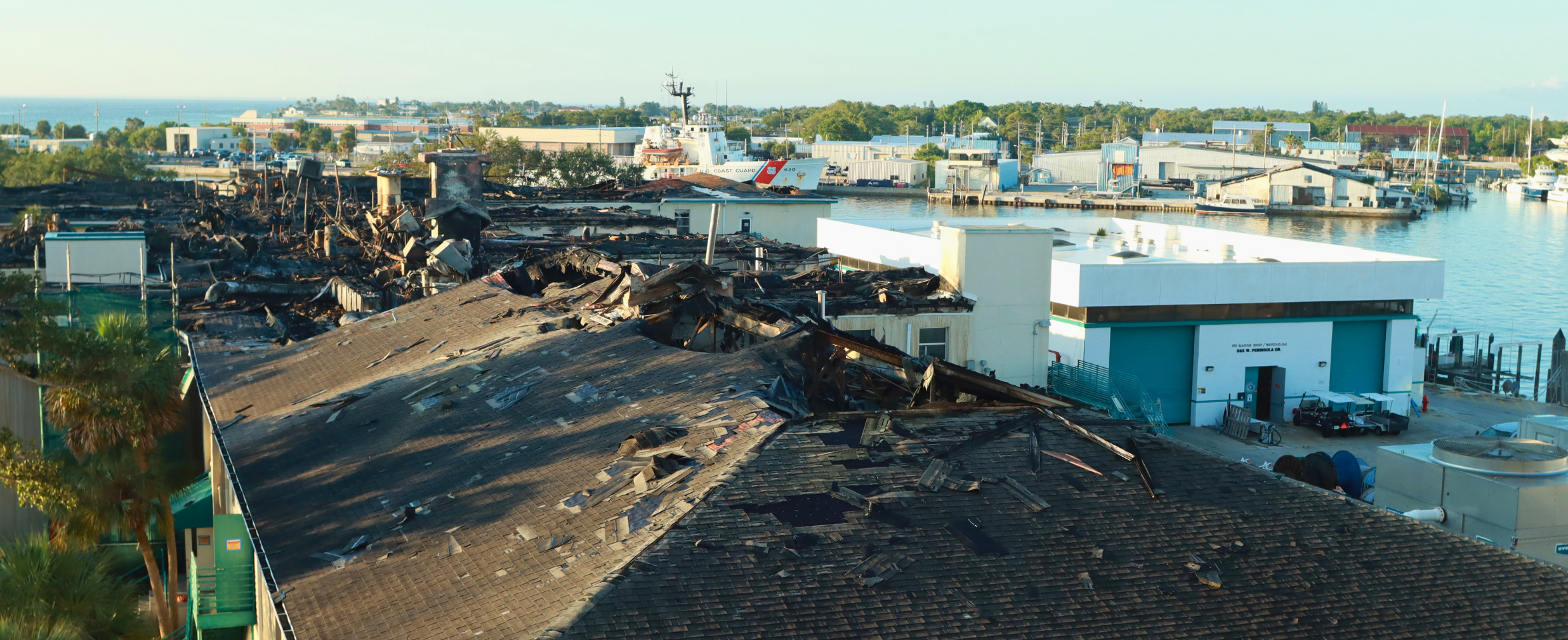
On the afternoon of Saturday, May 2nd, a fire broke out at the University of South Florida’s (USF) Marine Science Lab (MSL) building, quickly spreading and severely damaging the almost 90-year-old building. About 200 firefighters and 60 fire vehicles from St Pete Fire Rescue battled the flames well into the night. Much of the roof caved in, and with the water damage, the building is likely a total loss.
USF President Moez Limayem, PhD, issued a statement the next day, first stressing that no injuries were reported and then acknowledging the challenges ahead: “Our immediate focus is taking care of our people, and then on maintaining academic and research continuity.” He said recovery teams and the College of Marine Science would prioritize key research materials and equipment for salvage assessment.
The historic building, once a World War II merchant marine barracks, housed high-tech laboratories specializing in diverse disciplines, including Marine Environmental Chemistry, Optical Oceanography, CO₂ Chemistry, Oceanic Nutrients, and Marine Genomics. Many of those labs were responsible for monitoring the water quality of Tampa Bay and the Gulf. Because the MSL building was a central hub for physical oceanography at USF, it also served as the operations center for the Ocean Circulation Lab, where researchers and engineers manage ocean monitoring networks and where the servers that process real-time data from buoys and coastal stations are located.
Besides research labs, the MSL building housed key infrastructure, including the Electron Microscopy Lab and Research Sample Storage, which stored unique marine samples in freezers.
Since the late 1960s, when the first marine science professors moved into the building to set up laboratories and establish the Marine Science Institute—the precursor to today’s College—the MSL building has been crucial to USF’s rise as a global leader in marine research.
Recovery Efforts Begin Across the USF Marine Science Community
By Tuesday, and still reeling from the heartbreak of seeing their beloved building destroyed, USF faculty and staff were scrambling to resume their work. It was an “all-hands-on-deck” effort.
First, researchers worked with the school’s Environmental Health and Safety division, using forklifts to retrieve a significant number of freezers containing biological and geological samples, along with some instrumentation from the burned-out building.
COMPS Monitoring Systems Support Safety and Forecasting
Additionally, the Circulation Group’s Coastal Ocean Monitoring Prediction System (COMPS) researchers, who operate the offshore buoys on the West Florida Shelf, as well as the High Frequency (HF) Radar sites, were given the go-ahead to retrieve viable equipment and sensors. Buoy data are the real time eyes on the water and provide critical oceanographic and meteorological information essential for safe navigation and accurate hurricane tracking. HF Radar data provides surface current maps and is critical for improved boater safety, supporting U.S Coast Guard Search and Rescue (SAR) operations, and oil spill tracking within the Gulf of America.
COMPS is a SECOORA (Southeast Coastal Ocean Observing Regional Association) funded partner and the USF College of Marine Science has been a valued member of SECOORA for nearly 20 years.
Surface Current Data Return Online
Dr. Clifford Merz, the COMPS Program and HF Radar Operations Director, confirmed late Wednesday that HF Radar systems were back up and reporting to HFRNet, the national “super-highway” for radar data managed by NOAA and the Integrated Ocean Observing System (IOOS). HF Radars look like vertical antennas and are placed along the beach.
“All seven HF Radar sites are back up and reporting to HFRNet with no loss of data,” said Dr. Merz. “We were able to recover our original server computers and hook them up in a different campus location, and when repowered, they came back up and worked as before.”
Miraculously, no backup measures were required to restore the data flow.
“As time passes, we’re getting some silver linings, and that’s quite comforting. We are in the process of inventorying what has been recovered, and want to make sure the freezers are secured and have adequate power,” said Dyllan Furness, the Communications Director at the college.
Restoring Critical Research and Observing Operations
For scientists like Chuanmin Hu, Distinguished University Professor and director of the Optical Oceanography Lab, the fire has affected him deeply: “Literally, it is my second home,” said Dr. Hu. “I teach, research, mentor students, and have seminars and other group activities in MSL. Now, it’s gone, along with all those memories.”
Dr. Hu, who first studied in the MSL building as a postdoctoral Research Associate in 1998, uses laboratory, field, and remote sensing techniques to study marine algal blooms, oil spills, and coastal and inland water quality. Dr. Hu’s expertise is in the development of remote sensing algorithms and data products.
He collaborates with SECOORA and other partners throughout the Caribbean and Gulf to track and forecast Sargassum mats, and monitors water quality using satellite-based ocean observing systems. His products include the Sargassum Watch System, the Integrated Redtide Information System, and the Virtual Buoy System. Dr. Hu also has ongoing Satellite Earth Observation projects, data-gathering, and glider deployments for both GCOOS (Gulf of Mexico Coastal Ocean Observing System) and SECOORA. Many of the instruments and models developed in the MSL building—including red tide maps developed by Dr. Hu and the COMPS buoy data—are fed directly into the SECOORA portal.
“My Sargassum remote sensing work is pretty much intact, but my field work will be delayed significantly because my wet lab is in that building, along with all the instrumentation in it,” said Dr. Hu.
While he can still map the mats from satellite imagery, crucial data from Sargassum samples gathered from different locations around the world and stored in freezers may have been lost.
Community Support and Recovery Efforts Underway
Meanwhile, the adjacent Knight Oceanographic Research Center and the Plant Operations/Receiving facility reopened. Tom Frazer, Dean of the USF College of Marine Science, whose office in the Knight Center faces the damaged building, was thankful to St Pete Fire Rescue and all the first responders whose quick response was critical to preventing further damage to the campus and ensuring the safety of the USF community.
“As you can imagine, the challenges we are facing in the College are daunting. Our original focus was taking care of all our people…We are now rebuilding our programs. We will very likely lean on our friends to help.” – Tom Frazer, Dean of the USF College of Marine Science
The College announced that the USF Foundation had launched the Marine Science Operating Fund. The funds raised will help students, faculty, and staff with short-term needs, such as research supplies and lab instruments. The student body is not far behind in the rebuilding effort: Isabella Iannotta, president of the student-run Marine Science Advisory Committee, launched a GoFundMe this week to help rent temporary spaces and replace office supplies. As of Wednesday evening, the group had raised over $12,000.
“The College of Marine Science is home to some of the most passionate, talented, and accomplished scholars in the world,” said Dean Frazer. “We are committed, above all else, to ensuring they are supported in the days, weeks, and months ahead.”
SECOORA Shares Support for Longtime Partner
Debra Hernandez, SECOORA’s Executive Director, echoed the sentiment felt by the science community and public at large:
“Many of the scientists and partners impacted by the fire at the University of South Florida are not only long-standing collaborators, but friends. Their work helps communities across the Gulf and Southeast better prepare for storms, understand changing coastal conditions, and access trusted information when it matters most. We know how much dedication, care, and expertise these teams have invested over the years. SECOORA is focused on supporting our partners however we can and championing the resources needed to help restore critical observing systems and keep data flowing.”
Related news
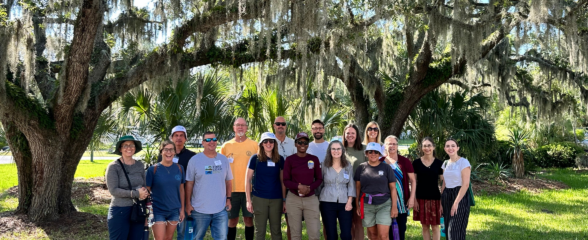
SECOORA Hosts the Second Surface Elevation Table (SET) Community of Practice Workshop In Person in Charleston
The 2nd SECOORA SET Workshop convened in person on July 16-17, 2026 in Charleston, SC. More than 30 Community of Practice members and stakeholders joined this collaborative workshop to discuss SET monitoring, coastal resilience, and data-driven decision making in the Southeast.
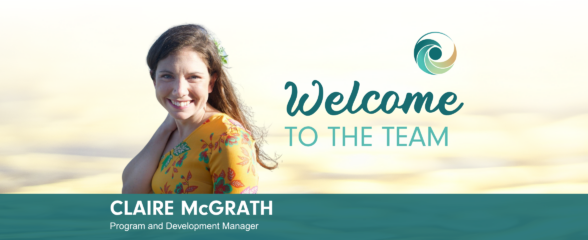
Claire McGrath Joins SECOORA as Program and Development Manager
SECOORA welcomes Claire McGrath as Program and Development Manager, supporting the Southeast & Caribbean Coastal Disaster Resilience Partnership and membership growth.

Spotlight: Mobilizing to Save Florida’s Coral Reefs
Learn how scientists are racing to save Florida's Coral Reef through coral rescue, gene banking, reef restoration, and innovative conservation efforts after disease and marine heatwaves devastated one of America's most important marine ecosystems.